

Mumbai: That sharp, stabbing pain in your heel the moment you get out of bed is more than just a bad start to the day.

Doctors say morning heel pain is often the body’s first warning sign of several underlying health issues that need attention.
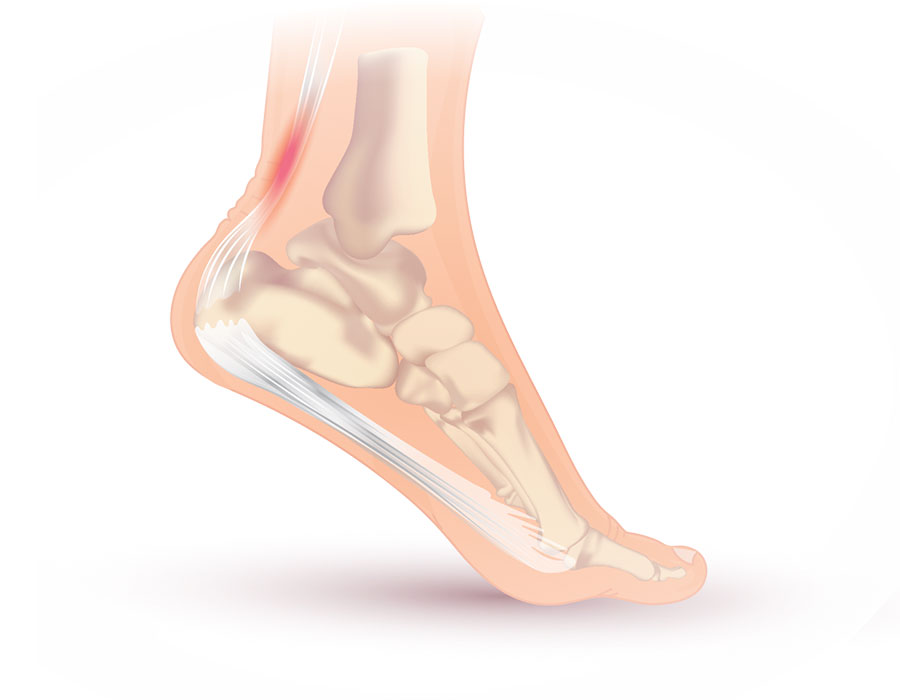
1. Plantar fasciitis is the most common culprit. “The most frequent cause of morning heel pain is plantar fasciitis,” notes Washington University podiatrist Dr Michael Weiss. The plantar fascia, a thick band of tissue connecting your heel to your toes, becomes irritated and tightens overnight. “When you take your first steps in the morning, the tissue suddenly stretches again, which triggers the sharp pain many people feel.”
1. Achilles tendinitis feels different. Unlike plantar fasciitis, which hits the bottom of the heel, Achilles tendinitis causes pain at the back of the heel. Circulation slows during sleep, so symptoms are worse in the morning, and “the pain of Achilles tendinitis doesn’t lessen with activity. You probably feel pain in your heel all day long.”
1. Stress fractures, hypothyroidism and more:
Tiny cracks in the heel bone — stress fractures — can mimic morning pain that “may even worsen after your morning excruciation.” An underactive thyroid can also trigger heel inflammation. “Unbalanced thyroid hormones can cause inflammation in your feet, ankles, heels,” say podiatrists. Even a stone bruise from walking barefoot can cause it.
Who is at risk?
Standing for long periods, sudden weight gain, unsupportive footwear, flat feet or high arches, and walking on hard surfaces all raise your chances. People with rheumatoid arthritis are also at increased risk.
Dr Weiss adds that “more than 90% of patients with plantar fasciitis will improve within 10 months” with non-surgical care like stretching, proper footwear and physiotherapy. But if pain persists, gets worse, or keeps you awake at night, it may not be plantar fasciitis at all. “Pain at the back of the heel or ankle may be more suggestive of Achilles tendinopathy,” an expert cautions, and further imaging may be needed.
Comments are closed.