

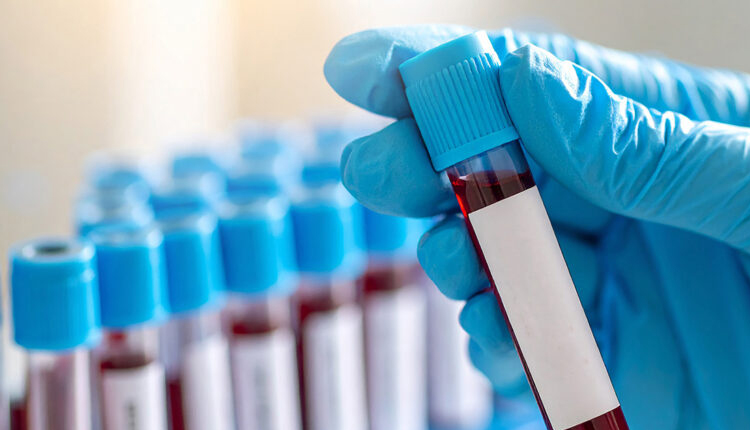
New Delhi: Women should undergo a set of essential blood tests at least once every year to detect health problems at an early stage and prevent serious complications, health experts have advised. Regular screening can help identify conditions such as anaemia, diabetes, thyroid disorders, vitamin deficiencies, and cardiovascular risks before noticeable symptoms appear.

According to medical professionals, many health issues in women develop silently and often remain undiagnosed until they become severe. Annual blood investigations can play a crucial role in monitoring overall health and ensuring timely treatment.
One of the most important tests recommended for women is the Complete Blood Count (CBC). This test provides information about red blood cells, white blood cells, haemoglobin levels, and platelets. It helps detect anaemia, infections, and several underlying health conditions. Anaemia, in particular, remains a common concern among Indian women.
Doctors also advise women to undergo blood sugar tests, including fasting glucose and HbA1c assessments. These tests help identify diabetes and prediabetes, conditions that are increasingly affecting women across different age groups. Early detection can significantly reduce the risk of long term complications.
Another key investigation is the thyroid function test, which measures hormones such as TSH, T3, and T4. Thyroid disorders are considerably more common in women and can lead to symptoms such as fatigue, weight fluctuations, irregular menstrual cycles, and mood changes if left untreated.
Health experts further recommend an annual lipid profile to assess cholesterol levels and evaluate the risk of heart disease. Lifestyle changes, unhealthy eating habits, and increasing stress levels have contributed to a rise in cardiovascular problems among women in recent years.
In addition, tests for Vitamin D and Vitamin B12 are considered important, especially as deficiencies of these nutrients are common among Indian women. Low levels can cause fatigue, weakness, bone problems, hair fall, and neurological symptoms.
Medical experts emphasise that annual health screenings should be accompanied by a balanced diet, regular exercise, adequate sleep, and timely medical consultation. While routine blood tests cannot prevent diseases, they can help identify risks early and improve treatment outcomes, ultimately contributing to better long term health for women.
Comments are closed.