

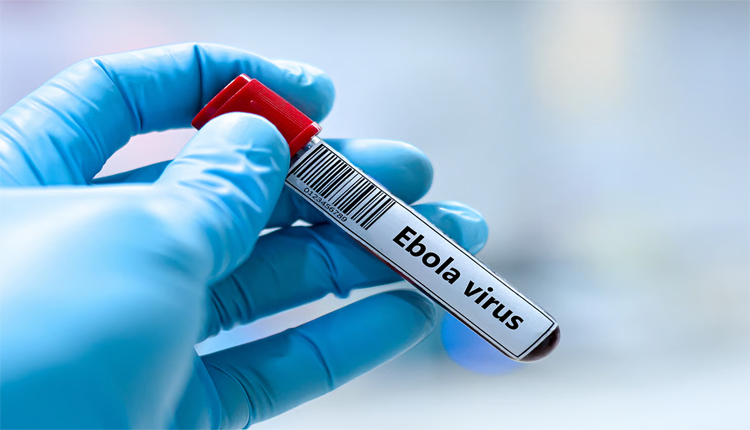
New Delhi: India has stepped up its health surveillance after fresh Ebola virus concerns emerged in parts of Africa, with a traveller who recently returned from Uganda being placed under precautionary isolation in Bengaluru. The Union Health Ministry has said there is no confirmed Ebola case in India at present, but monitoring and screening have been strengthened as a safety measure.

According to the report, the traveller was admitted to the Government Epidemic Diseases Hospital in Bengaluru after showing mild body ache. Officials said the person’s condition remained normal and stable, and doctors kept him under observation as part of standard preventive protocol.
Health officials collected the traveller’s sample and sent it to the National Institute of Virology in Pune for testing. The report has now come back negative, confirming that the person is not infected with the Ebola virus. The isolation, officials indicated, was a precautionary step and not a confirmation of infection.
The development comes at a time when recent Ebola cases in some African countries have prompted several nations to review their public health preparedness. In India, the Centre, state governments and health agencies are working as per World Health Organization guidelines. Surveillance has been intensified at major airports and other entry points, where international travellers are being screened for possible symptoms.
Authorities have said that if any passenger is found with suspicious symptoms, medical examination will be carried out immediately. Hospitals and healthcare workers have also been asked to remain on alert so that any possible case can be identified and managed without delay.
The Health Ministry has urged people not to panic or believe rumours. It has advised the public to rely only on official information and updates from government or recognised health agencies. Officials have maintained that the situation is under control and that India has adequate preparedness to respond to any emergency.
Ebola is considered a serious viral disease, and early detection remains critical in preventing its spread. However, the negative test result in Bengaluru and the government’s proactive surveillance measures suggest that the current response is focused on prevention, caution and public reassurance rather than alarm.
Comments are closed.