

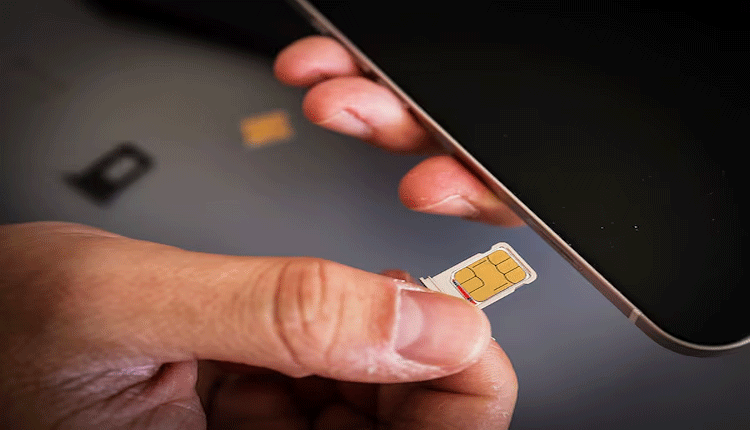
New Delhi: If you frequently use messaging applications like WhatsApp and Telegram, a major procedural change is on the horizon. To curb the rising tide of cybercrimes and online fraud, the Indian government’s Department of Telecommunications (DoT) is gearing up to enforce a strict ‘SIM Binding’ rule. Slated to come into effect from January 1, 2027, the mandate requires application companies to make necessary backend system upgrades by December 31, 2026.

Currently, users can create a WhatsApp account using their mobile number, verify it with a One-Time Password (OTP), and then physically remove the SIM card from their phone. The application continues to function normally using a Wi-Fi connection. However, under the upcoming SIM Binding regulation, this loophole will be permanently closed.
The new rule dictates that the active SIM card associated with the registered mobile number must remain physically present inside the device for the messaging application to function. If the SIM is removed or becomes inactive, the application’s services may be heavily restricted or entirely suspended on that specific device.
The primary objective behind this regulatory move is to tackle digital impersonation and financial fraud. Authorities note that cybercriminals often activate a WhatsApp account using an Indian mobile number, discard the physical SIM, and then continue using the account over the internet to pose as government officials or execute ‘digital arrest’ scams. By legally enforcing SIM binding, law enforcement agencies hope to maintain a traceable link between the messaging account and an active mobile network connection, simplifying criminal investigations.
This technological shift will also impact desktop users. Reports suggest that WhatsApp Web and similar desktop applications may be restricted from maintaining continuous active sessions for extended periods, potentially requiring users to regularly re-authenticate their logins by scanning QR codes.
For individuals operating dual-SIM smartphones, the rule implies that the specific SIM linked to their messaging application must remain active and inserted in the phone. While the exact user experience will depend on how tech companies implement these protocols, the government has clarified that traveling abroad on international roaming will not disrupt application access, provided the registered SIM remains inside the device.