

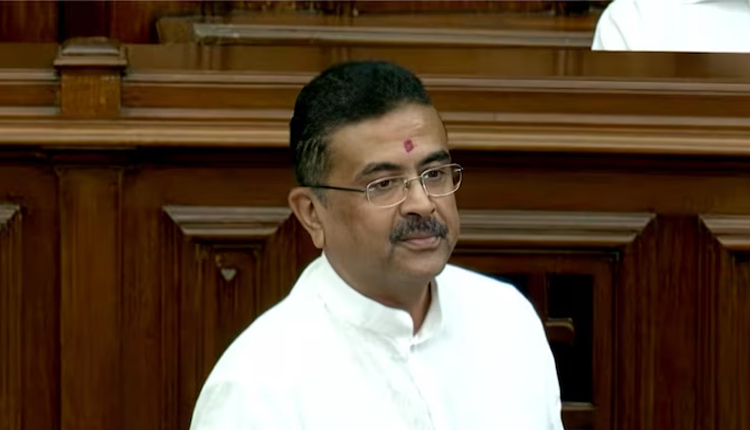
Kolkata: The West Bengal Legislative Assembly passed two crucial amendment bills on Monday to completely overhaul the Other Backward Classes reservation framework across the state. The new legislation officially sets the reservation quota for these categories at seven per cent, effectively scrapping the expanded seventeen per cent limit established during the previous political regime.

The state administration introduced The West Bengal Backward Classes Reservation of Vacancies in Services and Posts Amendment Bill 2026 and The West Bengal Commission for Backward Classes Amendment Bill 2026. Backward Classes Welfare Minister Gouri Shankar Ghosh presented both legislations in the house. The assembly passed the bills with 186 votes in favour and 17 against. Meanwhile, a section of rebel opposition legislators led by Ritabrata Banerjee staged a walkout right before the division of votes began.
These legislative changes directly comply with a landmark Calcutta High Court judgment delivered in May 2024. The court had previously struck down the reserved status granted to multiple communities after the year 2010. Following the judicial directive, the newly passed laws retain only 66 legally recognised communities under the reserved category. The government has officially removed 113 groups from the statutory list.
During his address, the welfare minister explained that the previous administration had bypassed proper procedures and included those groups without conducting any valid field surveys. He assured the house that the new amendments carry no political motive and are solely meant to correct unconstitutional practices.
A major shift in the new policy restores significant authority to the West Bengal Commission for Backward Classes. The statutory body will now thoroughly examine all new applications from citizens seeking inclusion in the reserved list. The commission will evaluate the degree of social and educational backwardness before making binding recommendations to the state government. The new rules also grant ordinary citizens the right to file formal objections regarding the improper inclusion or exclusion of any specific community.
While some opposition members expressed concerns over the reduced quota, the current government maintained that the total reservation limit in the state will remain strictly capped at fifty per cent. The structural overhaul aims to bring absolute transparency to the reservation process and ensure that affirmative action benefits reach the genuinely disadvantaged sections of society.
Comments are closed.