

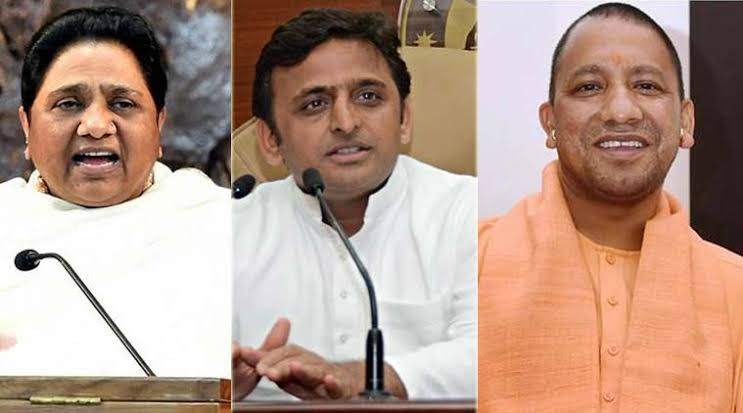
Lucknow: The political battleground for the 2027 Uttar Pradesh Assembly elections is already heating up with a significant shift in focus from traditional caste equations to a new demographic. Based on a recent political analysis published by TV9 Hindi, major political parties including the ruling Bharatiya Janata Party, Samajwadi Party, Congress and Bahujan Samaj Party have launched aggressive campaigns to woo the Generation Z voters. With the youth constituting approximately 20 percent of the population in the state, a fierce political war has begun to secure this decisive voter base.

In a state where electoral margins are often extremely close, political strategists realise that even a minor swing in the youth vote can alter the final outcome across multiple constituencies. The new generation of voters is deeply engaged with modern issues such as digital opportunities, employment, competitive exams, paper leaks, inflation and the startup ecosystem. Consequently the political discourse is rapidly expanding from traditional rally grounds to digital screens, university campuses and study libraries.
The opposition camp has devised parallel strategies to capture the attention of the youth. Samajwadi Party chief Akhilesh Yadav is heavily banking on digital content creators and projecting young leadership. He aims to convey that a newer generation understands their struggles much better than the older leadership. Meanwhile Congress leader Rahul Gandhi is pushing the Chhatron Ki Goonj initiative to directly connect with students preparing for competitive exams and those seeking active employment. The Bahujan Samaj Party led by Mayawati is leveraging the young face of Akash Anand to consolidate young Dalit and backward class voters. Simultaneously Chandrashekhar Azad is actively building his youth base through dynamic street protests and grassroots agitations.
On the other hand the ruling BJP and the Yogi Adityanath government have formulated a highly comprehensive youth model. This strategy includes the formation of youth commissions, advisory committees and fostering a direct two way dialogue with the Chief Minister to address local issues effectively. To counter the digital push of the opposition, BJP public representatives are receiving specialized training to engage with trending topics and create engaging content on social media platforms like Instagram and X.
Furthermore the Rashtriya Swayamsevak Sangh has initiated an extensive campus mapping program. The organisation has strategically divided the state into eastern and western zones, assigning regional pracharaks to gauge student sentiments directly from various universities. As the state slowly marches towards the 2027 polls, it is clearly evident that the ultimate electoral victory in Uttar Pradesh will heavily depend on whichever party successfully translates digital engagement and campus connectivity into actual votes.
Comments are closed.