

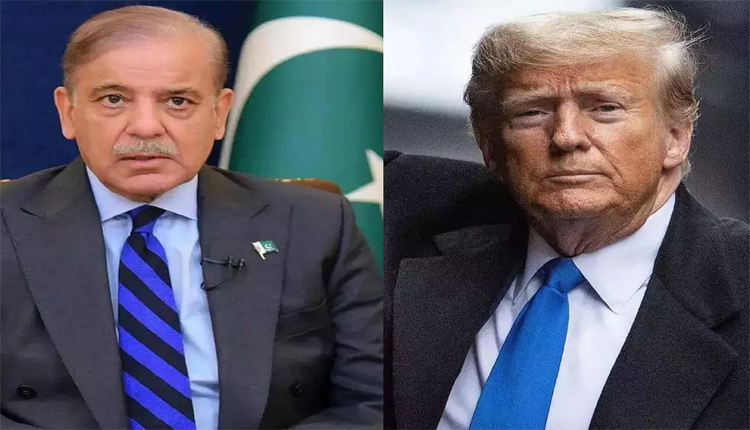
Washington: In a major geopolitical breakthrough that has brought immense relief to the global community, the United States and Iran have successfully reached a diplomatic agreement to de-escalate tensions in the Middle East. Following intense negotiations mediated by international channels, United States President Donald Trump has officially approved a framework that ensures the permanent opening of the strategically vital Strait of Hormuz, effectively averting a looming regional war.

The breakthrough comes after weeks of a high stakes military standoff that had pushed both nations to the brink of an all out conflict. The friction had severely threatened maritime security in the Persian Gulf, with fears growing over a complete blockade of crucial shipping lanes. Under the newly finalized terms, Iran has committed to keeping the critical choke point completely open for international merchant vessels, while the United States has agreed to ease certain targeted economic pressures in a reciprocal gesture of goodwill.
The impact of this diplomatic resolution was felt immediately across global financial and commodity markets. Crude oil prices, which had been steadily climbing due to war premium anxieties, experienced a sharp correction following the formal announcement from Washington. For major oil importing economies like India, the stabilization of the Persian Gulf shipping route is an incredibly positive development that safeguards energy security and keeps domestic inflation risks at bay.
Maritime authorities have already begun coordinating with commercial shipping lines to resume normal traffic density through the trade corridor. While naval forces from various nations remain vigilant in the surrounding waters to monitor compliance, the signing of the pact signals a vital cooling-off period. International observers have cautiously welcomed the agreement, emphasizing that sustained dialogue will be essential to translate this temporary reprieve into long term structural stability for the volatile region.
Comments are closed.