

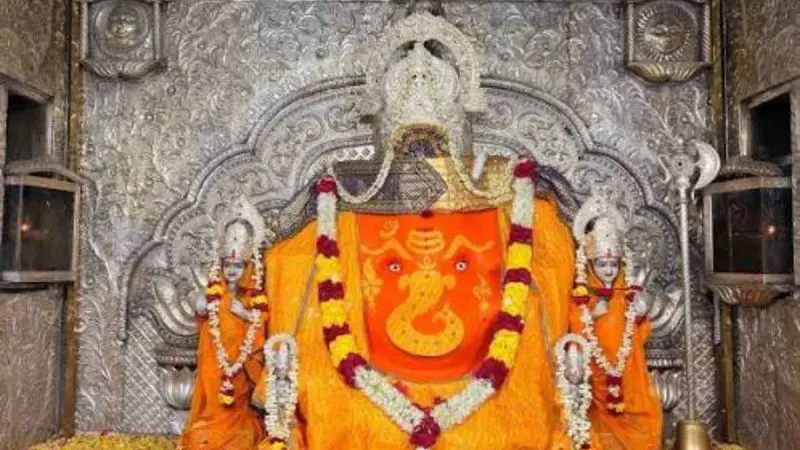
Ujjain: While the entire nation is busy preparing to celebrate the eightieth Independence Day on August 15, two prominent temples in Madhya Pradesh have already marked the historic occasion. In a unique blend of patriotism and spirituality, the famous Pashupatinath Temple in Mandsaur and the Bade Ganesh Temple in Ujjain celebrated India gaining freedom four days in advance on August 11.

The reason behind this early celebration lies in traditional Indian astronomy. According to the temple administration, both shrines observe Independence Day based on the Hindu calendar instead of the standard Gregorian dates. When India broke free from British colonial rule on August 15 in 1947, the historic day coincided with Shravan Krishna Chaturdashi. This specific date refers to the fourteenth day of the waning moon in the holy month of Shravan. This year, the lunar date fell on August 11, prompting the temples to hold their grand celebrations ahead of the official national holiday.
At the Pashupatinath Temple in Mandsaur, the patriotic fervour was observed with deep religious devotion. Around two hundred and fifty devotees gathered for a special ceremony. The priests beautifully decorated the unique eight faced Shivling and performed a grand ritualistic bath using sacred water mixed with Durva grass while chanting Vedic mantras. During the ceremony, the entire congregation prayed to Lord Shiva, seeking his divine blessings to transform India into a fully developed nation by the year 2047. Temple authorities stated that observing this patriotic event on the exact Hindu calendar date has been a continuous practice since 1986.
The enthusiasm was equally vibrant at the Bade Ganesh Temple in Ujjain. Devotees organised a massive flag march accompanied by the traditional beating of drums and loud patriotic slogans. The national flag was respectfully offered to the deity of Lord Ganesha, followed by a special prayer service. The celebration concluded with the proud hoisting of the national tricolour atop the temple spire. Local historical accounts suggest that the auspicious timing for the original independence ceremony in 1947 was calculated by the revered astrologer Pandit Suryanarayan Vyas, whose family continues to preserve this unique tradition at the Ujjain shrine.
This fascinating practice highlights how cultural roots and national pride are deeply intertwined in various parts of the country. By following the ancient planetary calendar, these historic temples maintain a unique spiritual connection to the exact astronomical moment when India finally awoke to freedom.
Comments are closed.