

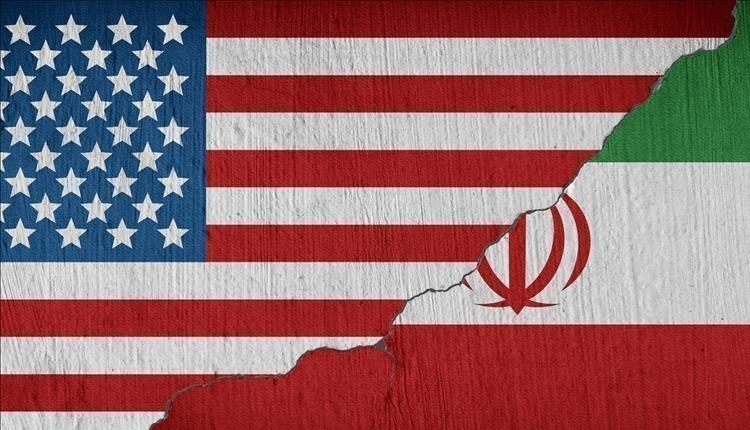
Washington: In a significant strategic move, the United States is deploying another aircraft carrier to the Middle East amid escalating tensions with Iran in the Strait of Hormuz. The prolonged military standoff in the crucial maritime chokepoint continues to pose major logistical and psychological challenges for the American naval forces stationed in the region.

The USS George Washington departed from the Da Nang port in Vietnam last week and was recently spotted navigating through the Singapore Strait alongside a cruiser and a destroyer. A senior US Navy official confirmed that the warship was operating in the Strait of Malacca and heading towards the Indian Ocean. Defence analysts suggest that it will likely replace the USS Abraham Lincoln, which has been actively involved in military operations against Iran. This deployment coincides with President Donald Trump asserting that America has taken full control of the Strait of Hormuz and intends to maintain its dominance over the strategic waterway.
The fleet transition comes amid growing concerns regarding the welfare of the troops aboard the USS Abraham Lincoln. The warship has been at sea for over 260 days, making it one of the longest consecutive deployments in modern naval history. The vessel left San Diego in November 2025 and arrived in the Middle East in January. Recent reports have highlighted declining morale and serious mental health issues among its roughly 5,000 sailors. The US Navy acknowledged logistical hurdles caused by regional supply route disruptions due to active combat operations. While priority was given to food and sanitation supplies over regular mail delivery, officials assured that the crew had sufficient access to clean drinking water and adequate food rations.
Addressing the growing public scrutiny, US Defence Secretary Pete Hegseth completely dismissed the reports of poor living conditions, calling them highly misrepresented. He praised the sailors for their dedication and resilience in sustaining operations under tough circumstances. However, several Democratic lawmakers are pressing for greater transparency and strict congressional oversight. Senator Richard Blumenthal has demanded clear answers from naval authorities, while Senator Ruben Gallego has proposed a direct oversight visit to assess the ground situation.
As the standoff with Tehran continues, the physical and mental toll of extended deployments could emerge as a much bigger challenge for Washington than the military confrontation itself. The ongoing pressure around the Strait of Hormuz highlights the complex reality of sustaining prolonged overseas maritime operations.
Comments are closed.