

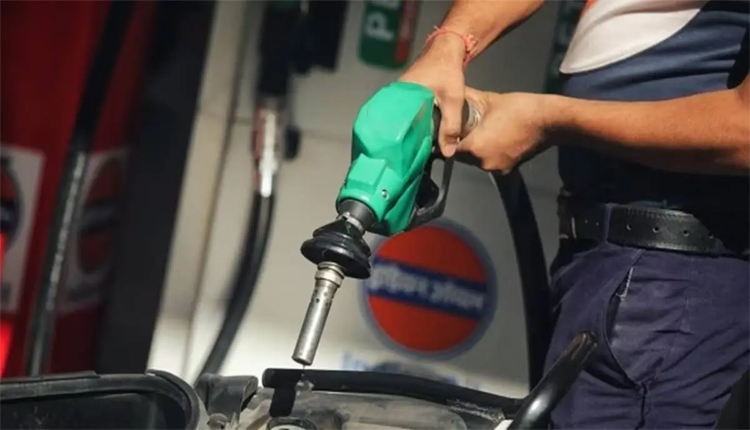
New Delhi: With fuel prices remaining a substantial part of daily household budgets, vehicle owners across India are being urged to stay highly vigilant against sophisticated cheating tactics at fuel stations. While checking for a zero initial reading on the dispensing machine is a common practice, experts reveal that relying solely on this basic step is no longer sufficient to guarantee that consumers are getting their full money worth. Unscrupulous operators are increasingly using advanced methods to shortchange unsuspecting customers.

One prevalent tactic that often goes unnoticed is the jump trick, where the digital meter abruptly温 skips numbers during delivery. Instead of advancing smoothly, the display might jump directly from zero to one and then leap straight to five, completely bypassing the intermediate counts. This ensures that the customer pays the full amount while receiving significantly less fuel. To counter this, vehicle owners must keep their eyes fixed on the display throughout the refueling process rather than turning away after the initial reset.
Crucially, consumers must also monitor fuel purity by checking the density readings displayed on the machine screen alongside the price and volume. Government regulations mandate that the pure density of petrol must strictly range between 730 and 800 kilograms per cubic meter. Any reading dipping below the minimum threshold indicates adulteration with water or chemical solvents, which can severely damage internal engine components over time.
This growing menace of retail fuel fraud has a direct economic impact on middle class commuters who depend heavily on personal transport. Beyond the immediate financial loss, adulterated fuel degrades vehicle performance and leads to steep repair bills at service centers. By understanding these technical parameters and demanding official verification when suspicious activity is spotted, Indian consumers can successfully protect their hard earned money and ensure market accountability.
Comments are closed.