

New Delhi: India on Friday firmly rejected Pakistan’s remarks regarding the proposed Chenab Beas Link Tunnel Project and reiterated that Jammu and Kashmir is an integral part of India. The Ministry of External Affairs (MEA) also maintained that the Indus Waters Treaty (IWT) will remain in abeyance until Pakistan completely ends its support for cross border terrorism.

The response came after Pakistan criticised India’s river infrastructure projects, including the Chenab Beas Link Tunnel Project, and alleged that New Delhi was attempting to “weaponise water” by advancing water management initiatives linked to the Chenab river system.
Addressing a weekly media briefing, MEA spokesperson Randhir Jaiswal said India had suspended the Indus Waters Treaty and kept it in abeyance until Pakistan completely stops cross border terrorism. He emphasised that India’s position on the matter remains unchanged.
Responding to Pakistan’s comments regarding a recent visit by the Swiss Ambassador to Jammu and Kashmir, Jaiswal stated that the diplomat was free to visit the Union Territory and hold meetings there. He stressed that Jammu and Kashmir is an integral part of India and that foreign diplomats are free to travel to the region.
The MEA also reiterated India’s opposition to rulings issued by what it described as an “illegally constituted” Court of Arbitration under the Indus Waters Treaty framework. India recently rejected a May 2026 award issued by the tribunal, calling it null and void and asserting that it does not recognise the court’s jurisdiction.
According to the government, the decision to keep the treaty in abeyance was taken after the Pahalgam terror attack and will remain in force until Pakistan credibly and irrevocably abandons support for cross border terrorism. India maintains that, while the treaty remains suspended, it is no longer bound by its obligations under the agreement.
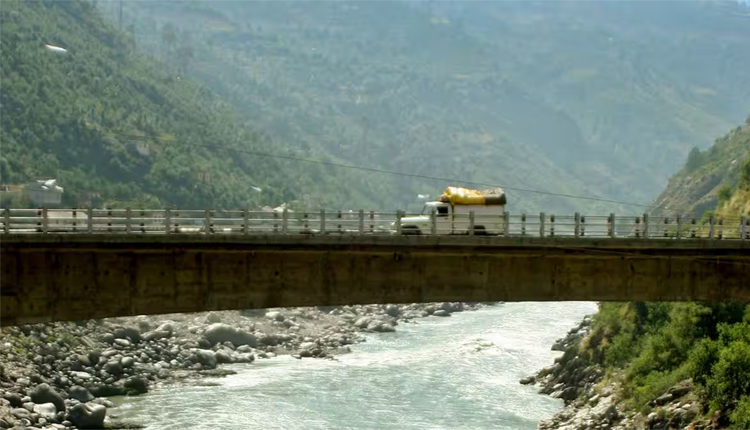
The Chenab Beas Link Tunnel Project has emerged as a fresh point of contention between the two neighbours. Pakistan has expressed concerns over the project, while India has defended its sovereign right to undertake infrastructure and water management initiatives within its territory.
The latest exchange highlights continuing tensions between New Delhi and Islamabad over water sharing arrangements, terrorism related concerns and the status of Jammu and Kashmir. As both countries maintain their respective positions, the dispute is expected to remain a key issue in bilateral relations.
Comments are closed.