

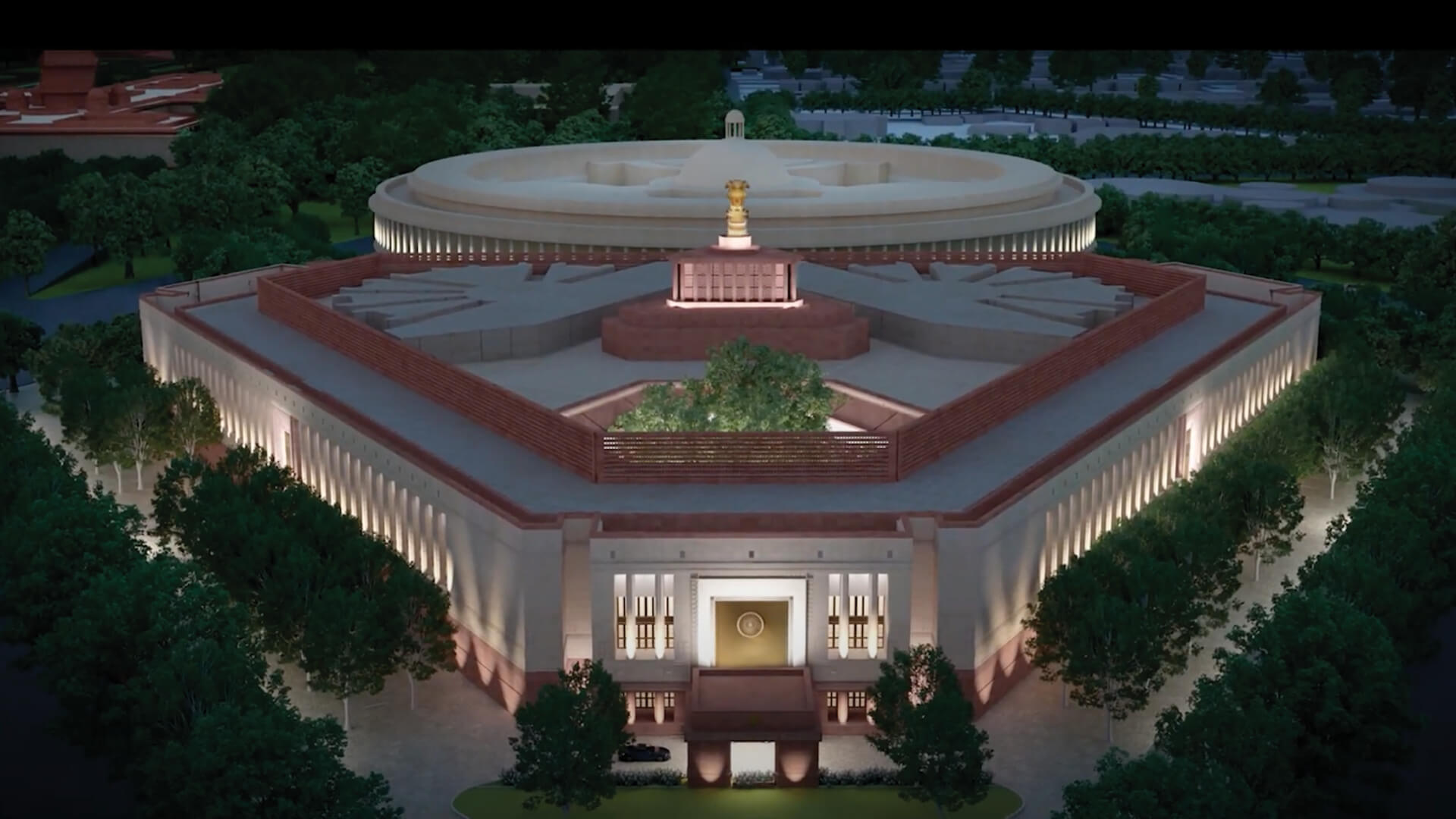
New Delhi: The persistent disruption of parliamentary proceedings on Fridays has once again sparked a nationwide debate regarding legislative productivity and accountability. During the ongoing monsoon session, both the Lok Sabha and the Rajya Sabha were adjourned immediately after convening on Friday, reflecting a recurring pattern that has raised serious questions among political analysts and citizens alike.

An analysis of parliamentary records over the past two years reveals that functional Fridays are a rarity. Legislative data indicates that sessions scheduled on Fridays across multiple sittings, including the budget and winter sessions, frequently face premature adjournments due to political uproar. While disruptions during major policy debates are common, Friday sittings appear uniquely vulnerable to administrative shutdowns, often resulting in proceedings being called off until the following Monday.
The structural design of Friday sittings plays a significant role in this dynamic. Beyond the standard question hour and zero hour, Fridays are traditionally allocated for private member bills under Article 107 of the Constitution, allowing lawmakers to introduce legislation on critical public matters. However, historical precedent shows that private member bills rarely reach successful completion, with the last notable passage recorded back in 1970. Because these measures seldom translate into enacted laws, enthusiasm among parliamentarians often remains minimal.
Another major factor contributing to the low turnout and quick adjournments is the onset of the weekend. With Saturdays and Sundays free from legislative business, many members prefer to travel back to their respective constituencies to connect with local voters. When political tensions or protests trigger immediate disruptions in the morning, lawmakers find a convenient window to leave early, effectively bringing legislative work to a standstill.
This recurring unproductive trend also carries a heavy financial implication for the exchequer. Parliamentary estimates suggest that running both houses for a single day incurs an estimated expenditure of approximately nine crores rupees. Taxpayer money spent on maintaining the massive administrative machinery goes underutilized when sessions are washed out within minutes.
While political parties often trade blame over floor management and unrelenting protests, experts emphasize that bridging the gap between legislative intent and actual execution remains imperative. Ensuring that parliamentary time is respected on all working days is essential for maintaining the sanctity of India’s democratic institutions.
Comments are closed.