

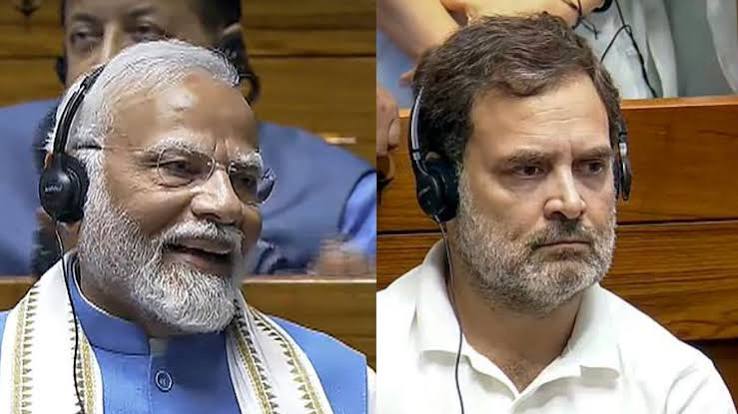
New Delhi: Political strategies across India’s major political formations are undergoing a profound transformation as parties increasingly tailor their communication methods to engage Generation Z. With the massive expansion of internet users and young voters entering the electorate, both the ruling establishment and the opposition have revamped their digital playbooks to connect with contemporary youth culture.
The evolving approach was recently highlighted by distinct digital engagement tactics from political leaders. Congress leader and Lok Sabha opposition leader Rahul Gandhi launched an interactive campaign on Instagram using the popular Ask Me Anything format. Inviting students and young citizens to share their concerns directly through digital stories, the initiative follows a series of interactions with student groups regarding recent academic and examination grievances. Political observers note that opposition parties are leveraging direct messaging platforms to build solidarity with tech-savvy voters.
At the same time, the broader political ecosystem, including organizations aligned with the ruling framework like the Rashtriya Swayamsevak Sangh, has increasingly focused on decoding youth behavior. Digital campaigns have begun incorporating contemporary internet lexicon and popular social media formats, ranging from trendy conversational styles like Get Ready With Me videos to short form multimedia content. Analysts point out that political communication is shifting away from traditional speeches toward relatable digital storytelling.
This aggressive youth outreach stems from the sheer demographic weight of young Indians entering the voting demographic. With issues ranging from digital employment opportunities and higher education reforms to competitive examination transparency taking center stage, political parties recognize that traditional mass rallies alone are no longer sufficient. Engaging digital natives requires addressing their unique cultural references and immediate economic concerns.
Ultimately, the race to capture the attention of younger demographics marks a turning point in Indian political campaigning. As digital platforms continue to dictate modern political discourse, both the ruling coalition and opposition parties are realizing that mastering contemporary youth culture will play a critical role in shaping future electoral outcomes.
Comments are closed.