

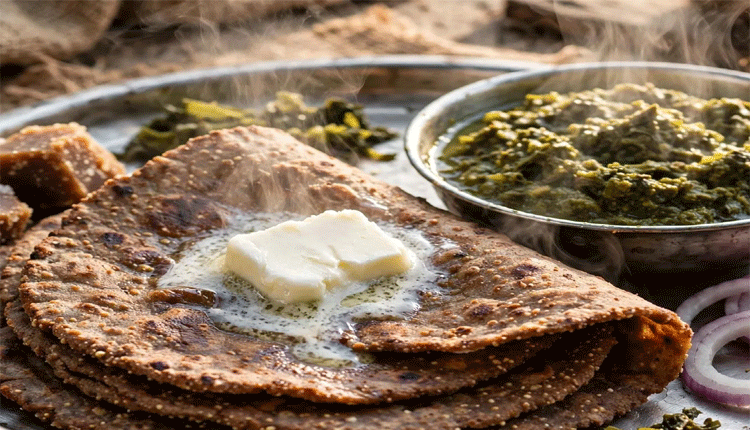
New Delhi: With the onset of the winter season, traditional pearl millet—popularly known as bajra—has returned as a staple on dining tables across northern and western India. While bajra roti is widely celebrated as a seasonal superfood, nutrition experts caution that improper pairing and exaggerated medicinal claims often prevent people from reaping its complete nutritional benefits.

According to New Delhi-based dietitian Geetika Chopra, pearl millet serves as an exceptional component of traditional winter diets owing to its rich concentration of dietary fibre, plant-based protein, iron, magnesium, phosphorus, and protective antioxidants. These nutrients collectively provide sustained warmth, bolster metabolic health, and offer lasting energy throughout colder days.
Explaining the physiological advantages, Chopra noted that the high dietary fibre in bajra actively aids digestive regulation and helps prevent winter-induced constipation, provided individuals consume adequate quantities of water alongside it. Furthermore, essential minerals like magnesium and phosphorus contribute to maintaining normal muscle function and bone strength. Being a source of complex carbohydrates, pearl millet releases energy gradually, keeping hunger pangs at bay for extended intervals.
For individuals managing celiac disease or gluten intolerance, bajra serves as a naturally gluten-free alternative to wheat. However, Chopra advised consumers with clinical gluten sensitivities to opt for certified gluten-free varieties to prevent inadvertent cross-contamination during milling or packaging.
Despite these established benefits, dietitians point out a common dietary mistake: consuming bajra roti solely accompanied by ghee or jaggery. While a light brushing of pure ghee helps in absorbing fat-soluble vitamins, relying solely on fat leaves the meal nutritionally lopsided. To achieve a balanced macronutrient profile, experts recommend pairing the millet flatbread with traditional seasonal greens like sarson ka saag, mixed vegetables, lentil curries (dal), fresh curd (dahi), or cottage cheese (paneer), ensuring an adequate supply of proteins and micronutrients.
Chopra also clarified misconceptions surrounding its therapeutic properties, stressing that bajra should not be treated as a substitute for medical treatment. While it supports musculoskeletal wellness, it cannot cure chronic conditions such as arthritis or joint inflammation. Maintaining nutritional diversity across daily meals, she emphasized, remains vital for overall health.