

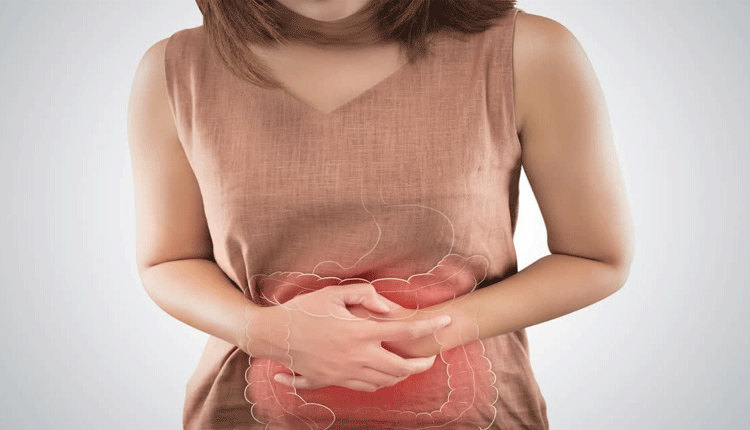
New Delhi: As mercury levels dip across several parts of the country, medical specialists have cautioned against a noticeable surge in gastrointestinal ailments, particularly acute and chronic constipation, attributing the seasonal spike to abrupt alterations in daily hydration, physical activity, and dietary habits, according to a health report by TV9 Hindi.

Medical experts explain that constipation primarily occurs when stool remains inside the large intestine for extended periods. As the colon absorbs excess moisture, the stool turns dry, dense, and difficult to pass. If neglected over time, prolonged straining can lead to complications such as anal fissures and piles (hemorrhoids).
Highlighting the physiological triggers behind the cold-weather spike, Dr Piyush Gupta, Director of Gastroenterology and Hepatology at Sri Balaji Action Medical Institute in Delhi, noted that seasonal behavioural shifts play a decisive role. “During the winter season, major changes in our daily routine and dietary practices are primary drivers behind worsening constipation,” Dr Gupta explained. “Owing to cold weather, people instinctively consume less water and curtail their physical movement. A lack of adequate hydration causes stool in the intestines to become harder and drier, creating difficulty during evacuation.”
Dr Gupta further pointed out that a sedentary lifestyle significantly decelerates intestinal motility. “Reduced physical activity slows down bowel movements, which in turn hampers the overall digestive cycle. Furthermore, lower intake of dietary fibre—such as fresh fruits, leafy green vegetables, and salads—coupled with a higher consumption of calorie-dense, oily, and fried comfort foods in winter directly aggravates the condition,” he said.
The resulting digestive distress often manifests as persistent abdominal bloating, excessive flatulence, heaviness, and painful bowel movements. To counteract these seasonal issues, doctors advise drinking adequate amounts of water or warm fluids throughout the day, incorporating seasonal green vegetables and high-fibre roughage into meals, and ensuring at least 30 minutes of brisk walking or light exercise daily.
Physicians strongly urge individuals never to suppress natural bowel urges or disturb toilet routines. They also cautioned that if constipation persists despite lifestyle adjustments, or if red-flag symptoms such as rectal bleeding, sudden unexplained weight loss, or severe abdominal pain occur, patients should seek immediate clinical evaluation from a gastroenterologist rather than relying indefinitely on over-the-counter laxatives.