

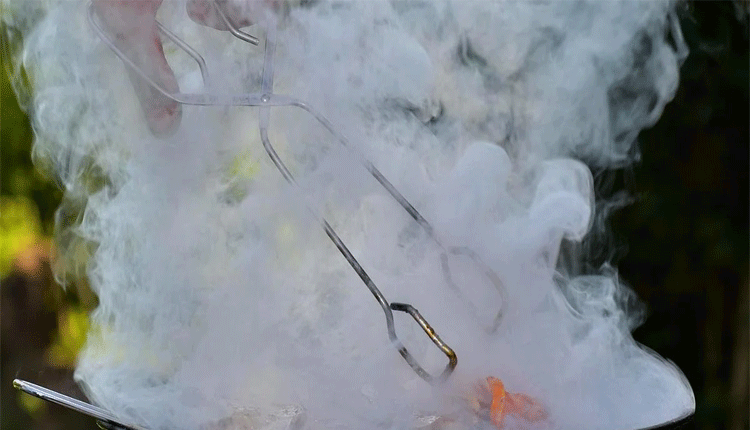
New Delhi: When we think of air pollution, especially during the smog-heavy months of October and November in the Delhi-NCR region, our minds immediately picture vehicle exhaust, factory chimneys, and hazy streets. However, medical experts warn that a significant, yet often ignored, pollution threat lies inside our own homes, primarily originating from the kitchen.

According to health professionals, the gases and fine particulate matter released while cooking can severely degrade indoor air quality and harm our health. Most Indian households use Liquefied Petroleum Gas (LPG) for cooking. The combustion of this gas can release Nitrogen Dioxide (NO₂), and if the combustion is incomplete, it can even produce Carbon Monoxide (CO). Furthermore, high-heat cooking methods such as frying and roasting release microscopic particles into the air.
In kitchens with limited space, closed windows, or inadequate ventilation, these pollutants get trapped indoors. Prolonged exposure to this indoor pollution triggers symptoms like eye irritation, sore throat, chronic cough, headaches, and breathing difficulties. Vulnerable groups, including children, the elderly, and individuals with asthma or pre-existing respiratory conditions, are at a much higher risk.
Dr. Priyanka Bindroo, Consultant Pulmonologist at Pacific OneHealth Hospital, emphasized the critical need to monitor indoor air quality. She noted that adopting simple preventive measures while cooking can significantly reduce exposure to harmful kitchen pollutants.
To maintain healthy indoor air, Dr. Bindroo suggests keeping the kitchen well-ventilated by opening windows while cooking to allow fresh air to circulate and toxic fumes to escape. Using exhaust fans or properly maintained kitchen chimneys is highly recommended.
Additionally, households must ensure regular maintenance of their gas stoves. The gas flame should ideally burn blue; a persistent yellow or orange flame indicates improper combustion and requires immediate professional repair. Experts also advise against overheating oil or letting food burn, as this directly increases the density of smoke and fine particles in the indoor environment.
While wearing masks and avoiding outdoor activities are standard precautions against city smog, doctors stress that ensuring clean air inside the house is equally vital for long-term respiratory health.