

New Delhi: Smartphone manufacturers frequently roll out software updates to introduce new features, patch security vulnerabilities, and optimize overall device performance. However, a common question that plagues many users post-installation is whether manually restarting the phone is strictly necessary. Tech experts have weighed in, clarifying that while it is not always a mandatory step, a strategic reboot can resolve several underlying system issues.

First and foremost, not every software update requires a manual reboot. According to technology analysts, modern Android and iOS devices are engineered to handle essential system processes during the installation phase itself. In many cases, the smartphone automatically restarts to apply the changes, rendering a manual reboot entirely redundant. For minor security patches and routine bug fixes, a forced restart is generally unneeded.
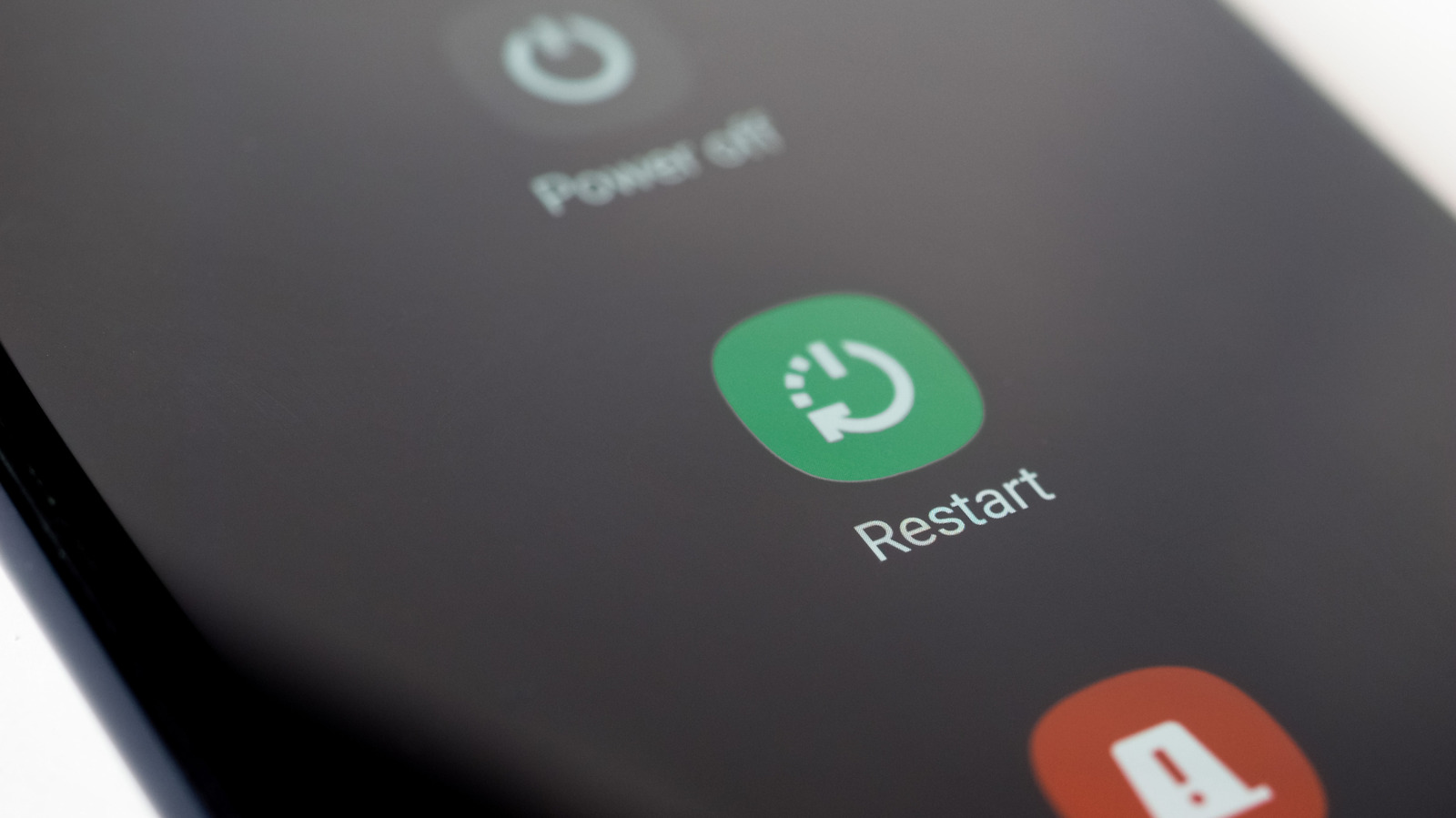
Despite this automated efficiency, experts often advise manually restarting a device under specific circumstances, particularly following a major Operating System (OS) upgrade. “Restarting the phone gives the system a clean slate. It forces old, residual background processes to shut down and allows newly integrated system components to load properly,” note tech specialists. Major updates alter numerous system frameworks, and initiating a fresh session ensures all necessary processes are correctly initialized.
So, when should you manually restart your smartphone? Industry guidelines suggest hitting the power button if you encounter post-update glitches. Key indicators that your phone needs a manual reboot include noticeable lagging or sluggishness, frequent application crashes, unstable Wi-Fi or Bluetooth connections, delayed push notifications, and sudden battery drainage. Additionally, if a newly introduced feature fails to function as advertised, a quick reboot is often the easiest and most effective troubleshooting step.
While restarting is highly recommended for troubleshooting, tech experts are quick to dispel a popular myth: a reboot will not magically turbocharge your phone’s processor. It is not an instant speed-boosting hack. However, if your smartphone’s sluggishness is caused by a stalled application, an overlapping background service, or an erratic system process stemming from the update, a simple restart is usually all it takes to restore normal functionality.