

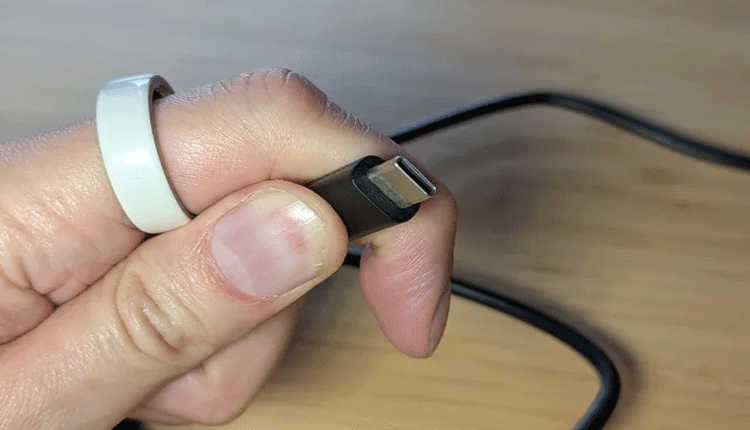
New Delhi: While purchasing a new smartphone or laptop, most consumers meticulously evaluate the processor, camera quality and battery life. However, they often overlook a critical component that connects them all together. Experts are now warning that ignoring the quality of a simple USB cable can result in severe damage to expensive electronic devices and even compromise personal data security.

A low quality or counterfeit USB cable does much more than just slow down the charging speed or data transfer rate. According to technology experts, these cheap alternatives can supply excessive voltage to the device, potentially frying the charging port or internal hardware. In severe cases, substandard cables have been identified as the primary cause behind overheating issues, short circuits and unexpected electrical fires.
Beyond hardware damage, there is a growing concern regarding cybersecurity threats associated with untrusted cables. Cybersecurity professionals strongly advise against using random USB cables found in public spaces or purchased from unverified sellers. Cybercriminals can easily tamper with these cables to secretly install malicious software onto a connected phone or laptop. Once the malware is installed, hackers can quietly siphon off sensitive personal data, passwords and banking information without the user ever noticing.
To safeguard expensive devices and personal data, tech experts recommend a few essential checks before making a purchase. Consumers should strictly avoid unbranded or suspiciously cheap local cables and opt for trusted brands that adhere to required safety standards. If the device and charger support it, purchasing a direct USB C to USB C cable is highly recommended, as it offers significantly faster data transfer and safer fast charging compared to older USB A types.
For those with a flexible budget, investing in Thunderbolt or USB4 cables provides an extra layer of security and premium performance. Physical inspection is also crucial. High quality cables utilize thicker copper wiring, making them noticeably heavier than cheap imitations. Buyers should be extremely wary of unusually light cables, as they often lack proper internal shielding.
Additionally, experts suggest avoiding third party magnetic USB adapters, which can damage hardware over time. Using excessively old USB cables is also discouraged, as worn out connectors can deliver unstable power supplies.
By paying a little more attention to the humble USB cable, users can easily protect their premium devices from irreversible damage and keep their digital lives secure from emerging cyber threats.
Comments are closed.