

New Delhi: Eating a nutritious diet is only half the battle won when it comes to maintaining good health. The way food is prepared in the kitchen plays an equally critical role in determining its actual nutritional value. Frequently, people buy high quality ingredients but unknowingly make small cooking errors that strip the food of its essential nutrients and make it unhealthy.
Experts point out that five common kitchen mistakes can silently ruin a healthy meal. The first major error is overcooking vegetables. Leaving vegetables on the stove for too long or cooking them on very high heat destroys crucial vitamins, particularly Vitamin C and various B vitamins. To retain their flavour, colour, and nutritional content, vegetables should only be cooked for the necessary duration.
Another widespread and harmful habit is the repeated use of cooking oil. Reheating the same oil multiple times for frying leads to the formation of toxic compounds, which severely degrade the quality of the food and pose health risks. Health professionals strongly advise against reusing frying oil.
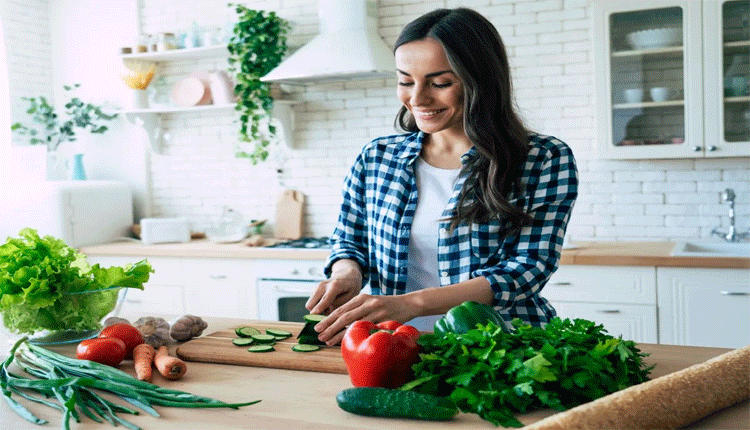
Excessive use of salt and spices is another common culinary trap. While they undoubtedly enhance the taste of a dish, using them in large quantities is detrimental to health. Striking the right balance keeps the meal both delicious and healthy. Additionally, chopping vegetables and leaving them exposed to the air for a long time causes them to lose their freshness and vital nutrients. It is best to chop vegetables just before cooking.
Improper storage of ingredients also compromises food quality. Fruits, vegetables, lentils, and spices need to be kept at the right temperature in clean and dry spaces. Poor storage allows moisture to seep in, destroying their freshness and nutritional integrity.
To ensure meals remain healthy, experts recommend adopting better kitchen habits. Washing hands thoroughly before and after cooking, maintaining clean utensils, and using fresh ingredients are basic but essential steps. Instead of deep frying, opting for boiling, steaming, or light sautéing helps preserve nutrients. Incorporating whole grains, green vegetables, lentils, and seasonal fruits into the daily diet further boosts health.
Keeping raw and cooked foods separate is also crucial to prevent the risk of cross contamination. By simply being mindful of cooking techniques, temperatures, and hygiene, one can ensure that the food served on the plate remains as healthy as intended.