

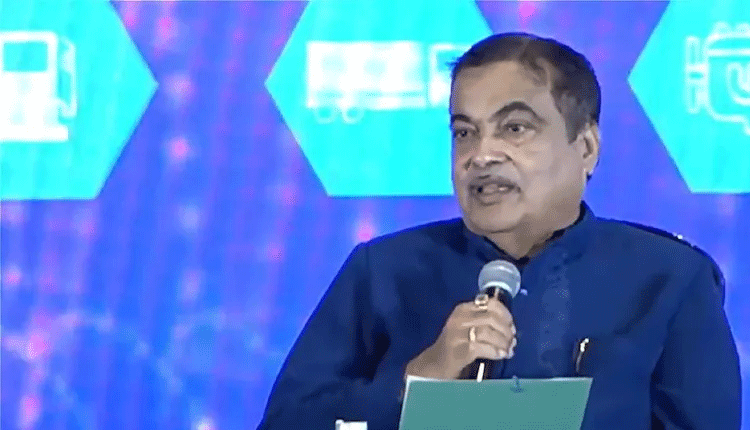
New Delhi: Union Road Transport and Highways Minister Nitin Gadkari has strongly dismissed rumors surrounding E20 petrol, categorically denying claims that the 20 percent ethanol blended fuel causes severe engine damage or drastically reduces vehicle mileage. Addressing widespread concerns among vehicle owners, the minister challenged critics to show a single car damaged by the new fuel blend.

India recently achieved its 20 percent ethanol blending target ahead of the 2025 to 2026 deadline. However, social media platforms have been buzzing with complaints from motorists alleging up to a 30 percent drop in fuel efficiency alongside fears of engine failure. Clearing the air, Gadkari stated that extensive testing was conducted by top agencies like ARAI, SIAM, and Indian Oil before the nationwide rollout.
The minister acknowledged a marginal mileage reduction, estimating it at around three to four percent because ethanol holds a slightly lower energy density than pure petrol. A NITI Aayog report also observed an average fuel efficiency drop of up to six percent, which varies based on engine capacity, vehicle model, and driving conditions. Gadkari officially termed the claims of a 30 percent mileage drop as completely exaggerated.
Addressing engine health, testing reports revealed no abnormal wear, carbon buildup, or engine oil degradation over long periods of use. Vehicles started normally in both extreme hot and cold weather. While a minor reduction in the strength of certain plastic parts made of PA66 material was noticed, Gadkari announced a proactive measure for older vehicles. He stated that older cars might need a replacement of specific washers or seals. Automakers have been strictly instructed to replace these components entirely free of charge when the vehicles are brought in for regular servicing.
The nationwide push for E20 fuel remains a strategic move to reduce the heavy reliance on imported crude oil. This policy saves valuable foreign exchange and significantly cuts down carbon emissions. It also directly boosts the rural economy by increasing the demand for ethanol produced from sugarcane and other agricultural crops. Petroleum Minister Hardeep Singh Puri previously echoed this sentiment, noting that the environmental and energy security benefits far outweigh the minor dip in fuel efficiency.
Highlighting the superior qualities of the fuel, Gadkari noted that ethanol possesses a high octane number and better anti knocking properties, which actually maintain good engine performance. Having championed flex fuel technologies since 2004, the minister confirmed that the government is actively preparing a comprehensive roadmap to introduce advanced fuels like E85 and E100 in the near future.
Comments are closed.