

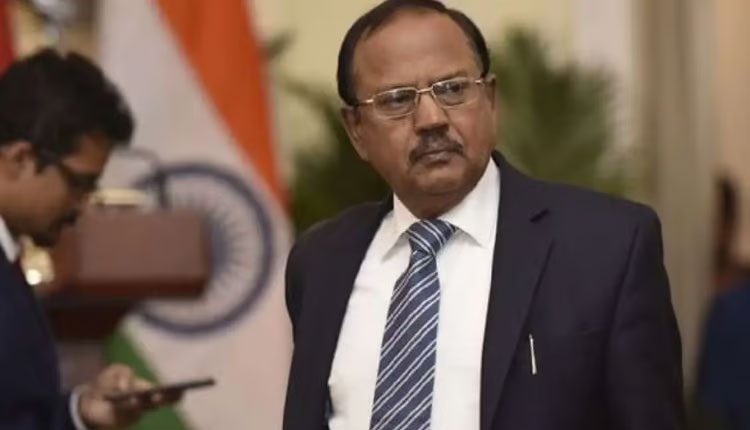
New Delhi:Inside the high-security diplomatic enclave of New Delhi, the atmosphere was heavy with the weight of global crises as top spymasters and security czars gathered for the 16th BRICS National Security Advisers’ meeting. Presiding over the high-profile conclave on Tuesday, India’s National Security Adviser (NSA) Ajit Doval delivered a stark opening assessment: the world is navigating an unprecedentedly tumultuous phase where traditional global institutions are failing to keep the peace.
Amidst the grim backdrop of fracturing multilateralism, economic strains, and technological disruption, a crucial diplomatic breakthrough in West Asia offered a significant glimmer of hope. Doval announced India’s formal endorsement of the newly minted Memorandum of Understanding (MoU) between the United States and Iran, hailing the subsequent reopening of the critical Strait of Hormuz as a monumental relief for global economic stability.
“India welcomes the MoU reached between the US and Iran. We have got cautious optimism, and we hope that it will work. It will help energy security,” Doval stated, addressing an expanded BRICS panel that included heavyweights like Chinese Foreign Minister Wang Yi, Russian Security Council Secretary Sergei Shoigu, and Iranian security official Ghadir Nezamipour.
The development holds immense economic consequences for India and the broader Global South. The Strait of Hormuz, a narrow maritime chokepoint between Oman and Iran, serves as the primary artery for the world’s crude oil consumption. Constant geopolitical hostilities had previously choked this route, resulting in volatile spike cycles in global fuel prices and crippling supply chains.
According to Doval, the revival of traffic through this maritime corridor is an vital milestone. Beyond securing oil lanes, he emphasized that the opening will effectively dismantle supply chain bottlenecks, directly addressing acute international shortages in essential sectors like agricultural fertilizers and industrial chemicals.
However, the mood at the conclave—convened under India’s 2026 chairship theme, “Building for Resilience, Innovation, Cooperation and Sustainability”—remained vigilant. Doval pointed out that while diplomatic breakthroughs offer a reprieve, the international community is facing advanced non-traditional dangers. Modern threats like camouflaged cross-border terrorism, cyber attacks, and the weaponization of emerging technologies are increasingly defeating conventional military responses.
The two-day summit concluded with the delegation reviewing joint working groups on counter-terrorism and digital communication safety. Reaffirming their collective stance, the BRICS nations pledged to scale up operational intelligence sharing and build stronger inter-agency cooperation. Following the extensive strategic sessions, the foreign delegations jointly called on Prime Minister Narendra Modi to cement ties within the special coalition.
Comments are closed.