

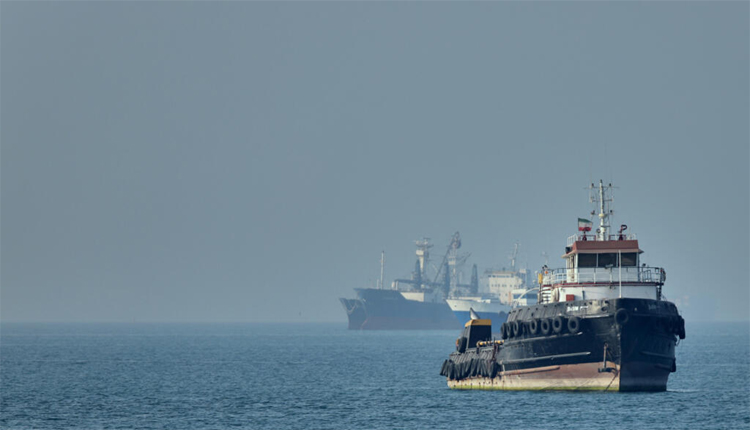
New Delhi: For months, the Strait of Hormuz—the vital maritime artery through which one-fifth of the world’s petroleum flows—resembled a high-stakes geopolitical parking lot. Shippers held their breath, global fuel prices fluctuated unpredictably, and cargo vessels huddled in cautious clusters, waiting out a bruising conflict. On Tuesday, however, the diplomatic gridlock broke. Speaking from the podium of the weekly media briefing in New Delhi, Ministry of External Affairs (MEA) spokesperson Randhir Jaiswal announced that the gates are finally swinging open, bringing immense relief to India’s energy sectors.

The geopolitical shift follows the formalization of a crucial Memorandum of Understanding (MoU) between the United States and Iran, aimed at halting intense hostilities in West Asia. Since the agreement came into force on June 17, commercial shipping traffic has registered a noticeable, rapid recovery. According to the MEA, 11 India-bound vessels have already successfully transited through the strategic chokepoint, shifting from a nerve-wracking holding pattern to active homeward journeys.
This development holds massive economic consequences for New Delhi, which relies heavily on the Persian Gulf for its energy lifelines and essential commodities. The 11 cleared ships include three heavy Indian-flagged crude oil tankers—the Desh Vaibhav, Desh Vibhor, and Sanmar Herald—each laden with over 285,000 metric tonnes of vital crude oil. Sailing alongside them were a foreign-flagged liquefied petroleum gas (LPG) carrier, another foreign-flagged crude oil tanker, and six foreign-flagged bulk carriers carrying critical agricultural fertilizer cargo.
While the primary bottleneck has eased, the operations are unfolding with cautious deliberation. The MEA confirmed that 10 Indian-flagged vessels currently remain inside the Persian Gulf region, waiting for their specific transit windows. Concurrently, two additional Indian ships have recently crossed into the Gulf from the western approaches, signaling that maritime trade has started flowing in both directions under restored security guarantees.
Independent maritime data underlines the magnitude of this sudden de-escalation. On Monday alone, tracking analytics registered no fewer than 36 resource carriers navigating through the channel—marking one of the densest single-day operational windows observed since direct military confrontations destabilized regional waters back in late February.
Expressing explicit optimism, Jaiswal noted that New Delhi expects the remaining Indian-flagged vessels to cross the waterway safely in the coming days. The government, through close inter-agency coordination, continues to prioritize the safety of its seafarers. As the 60-day diplomatic window established by the Washington-Tehran deal begins to iron out larger structural disputes, the global economy can breathe a sigh of relief knowing that the world’s most critical energy corridor is no longer under siege.
Comments are closed.