

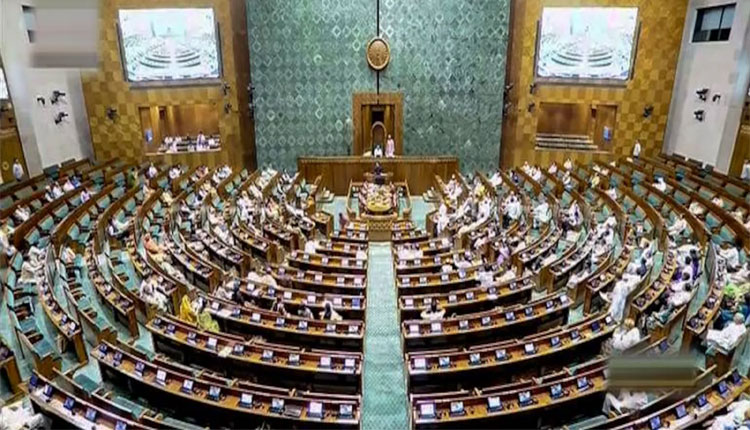
New Delhi: The central government has informed the Lok Sabha that the India Meteorological Department closely monitors El Nino conditions and had previously issued early warnings predicting below normal rainfall for the 2026 monsoon season. The statement aimed to clarify the proactive steps taken by weather agencies to alert authorities about the potential disruptions caused by the global weather phenomenon.

The Ministry of Earth Sciences highlighted that since 1950, sixteen El Nino years have been recorded. Out of these, seven years witnessed a clear negative impact on the Indian monsoon, resulting in deficient rainfall. The ministry noted that the adverse effects of El Nino are usually more prominent during the latter half of the monsoon season, particularly affecting September rainfall.
The IMD had initially issued its long range forecast for the 2026 southwest monsoon season on April thirteen, predicting rainfall at 92 percent of the Long Period Average. In its second stage forecast, this figure was further downgraded to 90 percent. During these predictions, the weather department clearly indicated the high probability of El Nino conditions developing during the monsoon months, providing early cues for government and agricultural agencies to prepare for potential dry spells.
To ensure constant vigilance, the government stated that the weather department shares daily monsoon updates and monthly reports specifically tracking El Nino developments. These crucial weather inputs, broken down to the district and block levels, are regularly reviewed in meetings with the Prime Minister Office, the Ministry of Home Affairs, and the Ministry of Agriculture. Additionally, the Indian Institute of Tropical Meteorology in Pune is actively collaborating with agricultural and dam management departments to assess the impact of weather forecasts on water storage and crop health.
While clarifying that no separate district wise risk assessment studies were issued specifically for the 2026 El Nino effect, the government emphasised that the regular early warnings regarding rainfall, heatwaves, and extreme weather events are continuously shared with all state administrations. This continuous flow of information is designed to help local governments implement timely mitigation measures against potential drought like conditions.
Comments are closed.