

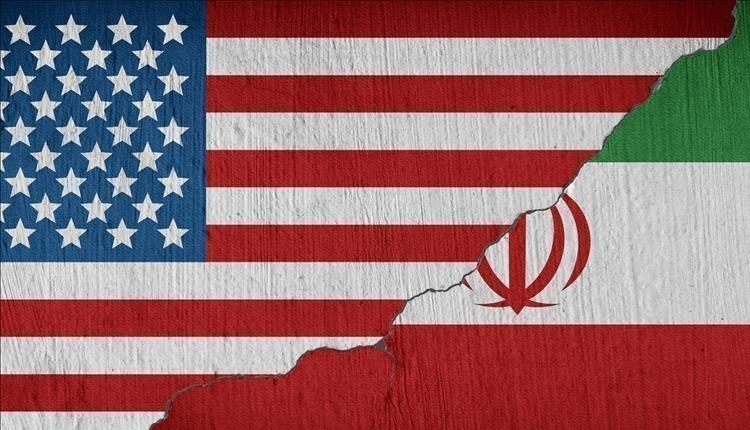
New Delhi: Indian households can look forward to a significant relief in kitchen budgets as global edible oil prices are projected to drop sharply following the cessation of the 107 day West Asia conflict. With the United States and Iran reaching a comprehensive peace agreement, international trade lanes are reopening, which is expected to normalize shipping freights and stabilize input costs for major food commodities just in time for India’s upcoming festive season.

The conflict, which disrupted global energy and food supply chains for over three months, had a cascading effect on India’s essential commodity markets. As maritime blockades crippled transit routes like the Strait of Hormuz, global vegetable oil prices soared, forcing domestic refiners to grapple with expensive import costs.
India, being the largest importer of vegetable oils in the world, faced immense pressure as retail prices of cooking oils like palm oil, sunflower oil, and soy oil registered a steep increase of twelve to fifteen rupees per litre across the country between March and May this year.
The announcement of the peace deal, scheduled to be formally signed in Switzerland on June 19, has immediately triggered an easing of global commodity indices. Market experts indicate that with shipping lines bypassing the lengthy detours around Africa and returning to traditional routes, freight and maritime insurance charges will cool down significantly.
Domestic trade bodies note that while manufacturers are currently holding onto inventory purchased at peak war time rates, the correction in international edible oil rates will reflect in local retail pricing within the next few weeks.
This downward correction comes as a major breather for Indian consumers who have been reeling under high food inflation over the past few months. FMCG companies and agricultural analysts anticipate that the price cuts will fully manifest by late August or September, offering significant financial breathing room to households right before major festivals like Ganesh Chaturthi and Diwali.
Retailers expect that the price drop will also curb the recent trend of shrinkflation, where companies were reducing packet sizes of packaged foods and household staples to counter steep packaging and input inflation.
Comments are closed.