

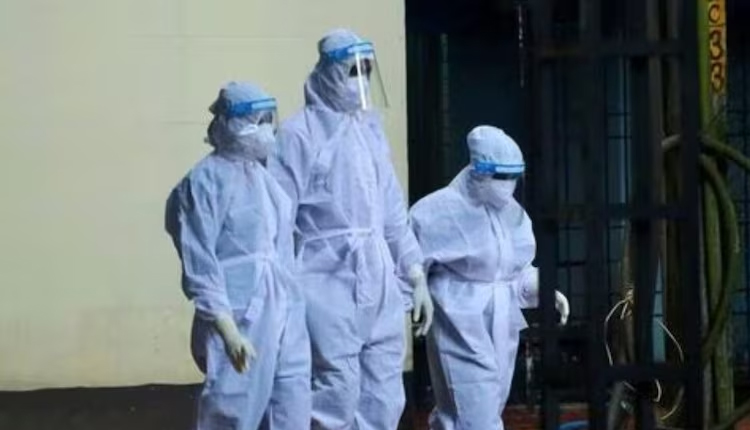
New Delhi: The recent Ebola outbreak linked to the rare Bundibugyo strain has triggered global concern after the World Health Organization (WHO) declared it a Public Health Emergency of International Concern (PHEIC). While the outbreak has raised alarms across the world, health experts in India say there is currently no immediate reason for panic, though vigilance and preparedness remain crucial.

The outbreak has primarily affected the Democratic Republic of the Congo (DRC) and Uganda, where health authorities have reported more than 300 suspected cases and at least 88 deaths. The situation has drawn international attention because it involves the Bundibugyo strain of Ebola, a relatively rare variant for which there are currently no approved vaccines or specific treatments.
WHO Director General Tedros Adhanom Ghebreyesus declared the emergency after concerns grew over the spread of infections across vulnerable regions with fragile healthcare infrastructure. Experts have warned that ongoing population movement and limited medical resources in affected areas could make containment more difficult.
Unlike Covid 19, Ebola does not spread through the air. The virus is transmitted through direct contact with bodily fluids such as blood, vomit and other infected secretions. Because of this mode of transmission, health experts say Ebola is far less contagious than respiratory viruses. However, it remains one of the world’s deadliest infectious diseases, with high fatality rates if not detected and treated early.
For India, experts believe the overall risk remains low at present. Public health specialists have pointed out that India has developed stronger disease surveillance systems and emergency response mechanisms following the Covid pandemic. Airports and health authorities are capable of strengthening screening and monitoring protocols if required.
Medical experts have nevertheless stressed the importance of early detection and monitoring international travel patterns. They argue that global connectivity means no country can completely ignore outbreaks occurring elsewhere. Continued surveillance, rapid diagnosis and preparedness at hospitals remain essential to prevent any potential spread.
The latest Ebola outbreak has also reignited broader concerns about global health security. Experts say the emergence of a rare strain with limited treatment options highlights persistent gaps in disease surveillance and outbreak preparedness worldwide. Healthcare workers remain among the most vulnerable groups during such outbreaks, underlining the need for stronger protective measures and faster international coordination.
While there is no indication of an immediate threat to India, health authorities are expected to closely monitor developments. The WHO declaration serves as a warning that infectious disease outbreaks can quickly become international concerns, making preparedness and coordinated action essential for every country.
Comments are closed.