

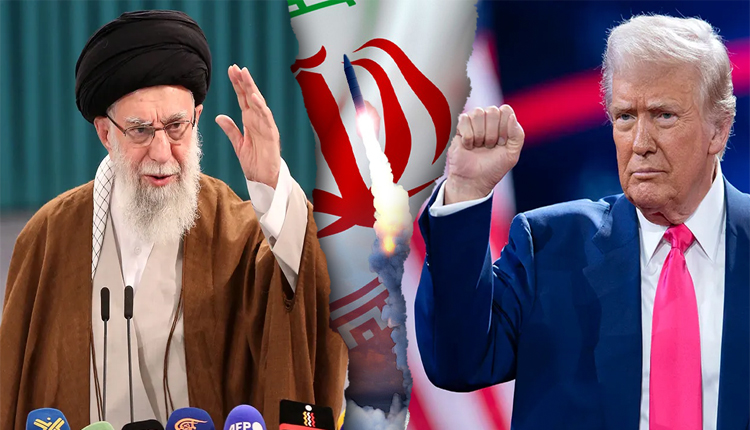
New Delhi: A reported tense phone call between US President Donald Trump and Israeli Prime Minister Benjamin Netanyahu has exposed growing differences between Washington and Tel Aviv over how to handle the Iran crisis, even as diplomatic efforts continue to prevent another dangerous escalation in the Middle East.
According to reports, the call took place amid discussions over a new Iran peace proposal, which has been shaped with the involvement of regional players including Qatar and Pakistan, along with inputs from Saudi Arabia, Turkey and Egypt. The plan is aimed at creating space for a deal between the United States and Iran, but Israel remains deeply cautious about any arrangement that does not fully address Tehran’s nuclear and military capabilities.
The conversation between Trump and Netanyahu was described as difficult by sources familiar with the matter. Trump is said to believe that a deal with Iran is still possible, though he has also warned that military action remains an option if diplomacy fails. Netanyahu, on the other hand, has reportedly pushed for continued pressure on Iran, arguing that Tehran cannot be trusted to dismantle its nuclear programme through negotiations alone.
The proposed diplomatic framework reportedly includes commitments from Iran on its nuclear programme and a gradual American move on frozen Iranian funds. However, major disagreements remain. Tehran is seeking relief from financial pressure and wants Washington to stop actions against Iranian ships, while Israel wants stronger guarantees that Iran’s nuclear and missile capabilities will be weakened decisively.
Trump, while speaking publicly after the call, avoided giving full details of the conversation but projected confidence over his influence on the Israeli Prime Minister. He said Netanyahu would do what he wanted him to do, while also saying he was not in a hurry to reach an agreement with Iran.
The timing of the call is significant. The region is already tense after months of confrontation involving Iran, Israel and the United States. Reports suggest Washington is trying to keep both diplomatic and military options open, while Israel is preparing for the possibility of renewed strikes if negotiations fail.
Iran has also issued strong warnings, suggesting that any new attack by the US or Israel could invite retaliation beyond the Middle East. This has raised fears of a wider conflict that could affect oil routes, regional security and global markets.
For Trump, the Iran question is becoming a delicate balancing act. He wants to project strength, keep Israel close and avoid appearing soft on Tehran. At the same time, a long military conflict could carry heavy political and economic costs. Netanyahu, meanwhile, faces his own security pressure at home and does not want Iran to gain time through talks.
The reported disagreement does not necessarily mean a breakdown in US Israel ties, but it does show that both leaders are not fully aligned on the next step. Washington appears to be testing diplomacy, while Tel Aviv remains focused on maximum pressure.
As the Iran peace proposal moves through regional channels, the world will closely watch whether Trump and Netanyahu can settle their differences or whether the Middle East is heading towards another round of confrontation.
Comments are closed.