

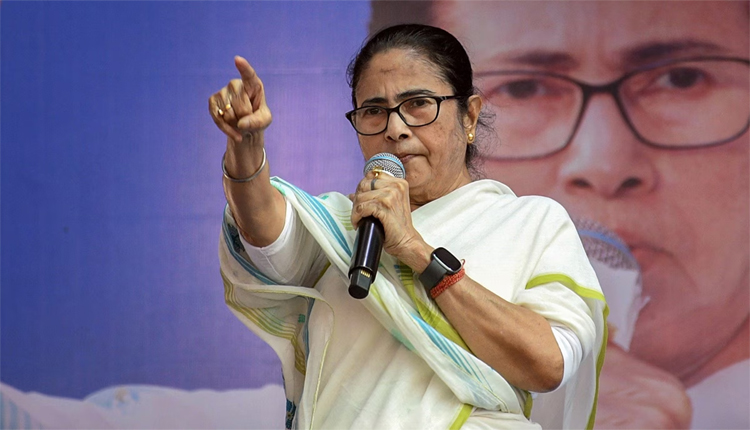
Kolkata: The Trinamool Congress is facing a fresh internal storm after its crushing defeat in West Bengal, with reports of poor participation by party MLAs in protest programmes and mass resignations in civic bodies adding to Mamata Banerjee’s political worries.
The crisis comes days after the BJP secured a historic victory in West Bengal, ending the TMC’s long rule in the state. The BJP won 207 seats in the 294 member Assembly, while the TMC was reduced to 80 seats. Mamata Banerjee also lost her own constituency, making the result one of the biggest political setbacks of her career.
According to reports, the TMC’s recent protest against the BJP government’s alleged “bulldozer culture” saw weak attendance from party legislators. The low turnout has raised questions about discipline within the party at a time when Mamata Banerjee is trying to project a fighting spirit after the election loss. A Times of India report also described the situation as a “double blow” for the TMC, citing poor MLA turnout and mass resignations in civic bodies.
The political unease is not limited to public programmes. Bengali media reports suggest that there is growing tension within the party over leadership, strategy and responsibility for the defeat. Some reports have pointed to unease around Abhishek Banerjee’s role and the party’s campaign machinery, with speculation of a widening internal divide.
In another sign of unrest, Abhishek Banerjee reportedly met leaders described as “rebels” within the party, including Kunal Ghosh, Sandipan Saha and Ritabrata Banerjee. The party later sought written explanations, while also saying that there is democratic space within the organisation to speak internally.
The civic body resignations have further complicated matters for the TMC. Local level leaders and councillors are considered crucial for the party’s ground network, especially in urban and semi urban Bengal. Any erosion in this layer could weaken the party’s ability to reorganise before the next round of political battles.
For Mamata Banerjee, the challenge is now twofold. On one side, she has to take on the newly empowered BJP government led by Suvendu Adhikari. On the other, she must restore confidence within a party that appears shaken by defeat, internal blame and uncertainty over future leadership.
The TMC has survived difficult moments in the past, but the present crisis is different because it comes after the loss of power. The anger of workers, the silence of some leaders and the resignation signals from civic bodies show that the post defeat phase may be as difficult as the election itself.
The coming days will test Mamata Banerjee’s control over the organisation. Whether she manages to turn the anger into a comeback campaign or the unrest grows into a larger rebellion will decide the next chapter of Bengal politics.
Comments are closed.