

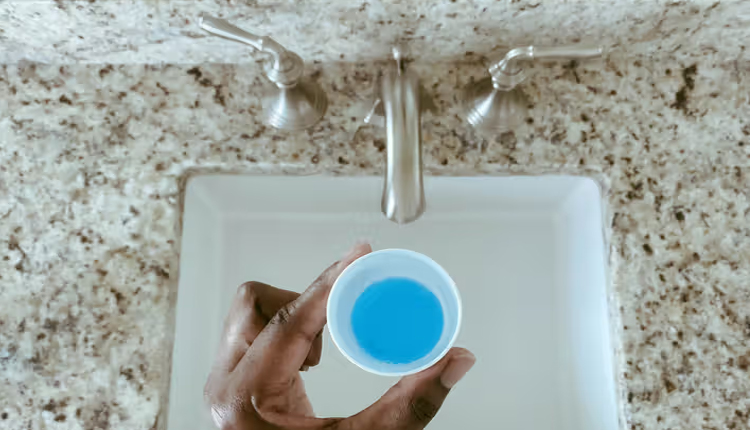
As the world celebrated World Oral Health Day on Friday, a pressing question was on many minds: does mouthwash truly improve oral health, or does it simply mask foul breath?

Mouthwash has quietly become a daily essential in Indian homes, lining bathroom shelves in countless varieties that promise fresh breath, stronger teeth or pleasant scents. Yet dental specialists caution that it is no magic fix. Its main job is temporary relief from bad breath and occasional reduction in plaque or bacteria, but it cannot replace brushing and flossing. It works best only as a helpful supplement when used correctly.
Our mouths naturally host over 700 types of microorganisms that keep a delicate balance crucial for immunity. Specialists warn that overusing mouthwash can upset this microbiome, leading to dryness, changes in taste and a higher risk of oral diseases over time.
The right choice matters. Therapeutic rinses with chlorhexidine or essential oils fight plaque and gum inflammation effectively, while fluoride versions strengthen enamel and prevent cavities. Many store-bought options, however, are purely cosmetic and offer little beyond short-term freshness.
Experts advise limiting use to once daily after brushing teeth and preferring alcohol-free formulas. This World Oral Health Day served as a timely reminder: focus first on proper brushing, flossing and regular dental visits. Mouthwash can support good habits but should never replace them.
Comments are closed.