

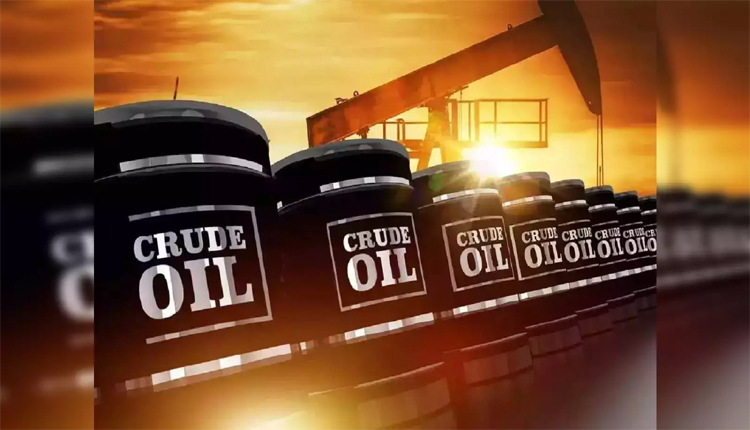
New Delhi: Escalating tensions in West Asia could soon begin affecting household budgets in India, with economists warning that a sustained rise in crude oil prices may trigger inflationary pressures across multiple sectors of the economy. The concern comes as global energy markets remain volatile amid geopolitical uncertainty in the region, which is a major source of the world’s oil supplies.

Experts say the biggest risk for Indian consumers is not limited to petrol and diesel prices. A prolonged increase in crude oil costs could have a cascading effect on transportation, cooking gas, food products, consumer goods and logistics expenses. Since India imports a significant portion of its crude oil requirements, fluctuations in international prices directly influence domestic costs.
Recent developments in West Asia have pushed global oil markets into a phase of heightened uncertainty. Concerns over supply disruptions through key maritime routes, particularly the Strait of Hormuz, have increased fears of a further spike in crude prices. Analysts have warned that any prolonged disruption could significantly impact oil importing countries such as India.
Economists believe rising fuel prices could contribute to broader inflation. Transportation costs affect almost every sector, from agriculture and manufacturing to retail distribution. As businesses face higher input and freight expenses, a portion of those costs is often passed on to consumers in the form of higher prices for essential goods and services.
The Reserve Bank of India has also acknowledged crude oil price volatility as a key risk to inflation and economic growth. During its latest monetary policy review, the central bank highlighted rising oil prices, geopolitical uncertainty and currency pressures as factors that could influence India’s inflation outlook in the coming months.
Consumer goods companies have already begun reporting higher oil linked input costs. Industries dependent on fuel, packaging materials, chemicals and transportation are particularly vulnerable to sustained increases in crude prices. Some businesses have indicated that they may eventually need to pass part of the additional burden on to consumers if global prices remain elevated.
Despite these concerns, the government has sought to reassure citizens regarding energy security. Union Petroleum Minister Hardeep Singh Puri recently stated that India possesses adequate reserves of crude oil, LNG and LPG to meet domestic requirements and that there is no immediate threat to fuel supplies.
Economic analysts, however, caution that if geopolitical tensions persist and crude prices continue to rise, households may eventually feel the impact through higher transportation costs, increased prices of everyday commodities and pressure on monthly budgets. The extent of the impact will largely depend on how long the crisis lasts and whether global energy markets stabilise in the near future.
Comments are closed.