

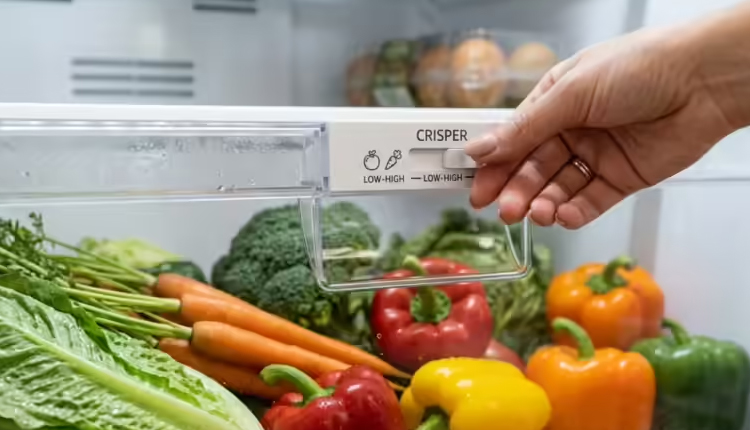
In many Indian households, the routine of buying groceries in bulk and stuffing them together into a single refrigerator drawer or a common kitchen basket is standard practice.
However, experts warn that this “one-size-fits-all” storage habit is likely the reason your fresh produce is rotting faster than expected.
The culprit behind this rapid spoilage is a natural ripening agent called ethylene gas. Many fruits, such as apples, bananas, and tomatoes, emit high levels of this gas as they mature. While essential for ripening, ethylene can be a silent killer for “sensitive” vegetables stored nearby, causing them to wilt, sprout, or turn mushy prematurely.
The Most Common ‘Food Enemies’:
Potatoes and Onions: Perhaps the most frequent storage mistake. Onions emit gases that cause potatoes to sprout and rot quickly, while the moisture from potatoes can lead to onions decaying.
Tomatoes and Cucumbers: Tomatoes are high ethylene producers. Storing them with cucumbers can turn the latter yellow and soft within days. Experts suggest keeping tomatoes at room temperature while wrapping cucumbers in paper towels inside the fridge.
Apples and Carrots: When stored together, the ethylene from apples can give carrots a bitter taste and cause them to lose their crunch.
Bananas and Stone Fruits: Bananas release massive amounts of ethylene. If kept next to peaches or plums, those fruits will over-ripen and spoil almost overnight.
“Many people wonder why their groceries don’t last the week despite being refrigerated,” notes a lifestyle report. “The key is understanding that different produce items have different ‘breathing’ rates and moisture requirements.”
To maximize shelf life, health and lifestyle experts recommend using separate containers or dedicated fridge drawers for gas-emitters and gas-sensitive items. A simple separation strategy could save the average household thousands of rupees in wasted food every year.