

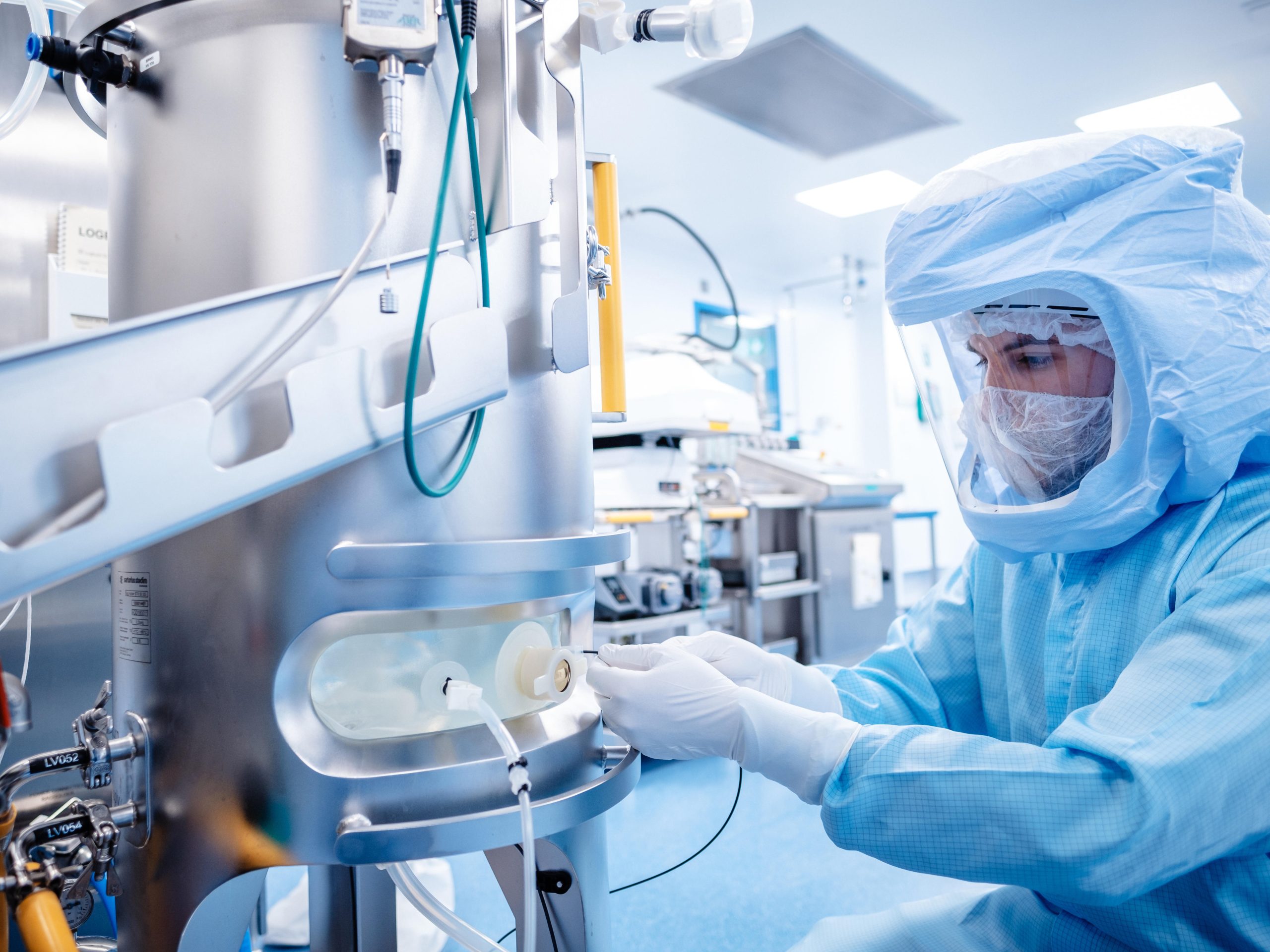
New Delhi: In what is being hailed as a monumental leap for medical science, American biotechnology firm Moderna, in collaboration with pharmaceutical giant Merck, has achieved significant success with its experimental personalized mRNA cancer vaccine. Late-stage Phase 3 clinical trials have demonstrated the vaccine’s high efficacy in preventing the recurrence and spread of severe melanoma, a deadly form of skin cancer.

According to the trial data, which involved 1,137 high-risk melanoma patients whose tumours had been surgically removed, the bespoke vaccine therapy delivered highly positive results. The treatment, when administered alongside Merck’s established immunotherapy drug Keytruda, substantially reduced the risk of the cancer returning or metastasizing to other parts of the body, outperforming the results of patients who only received Keytruda.
Unlike conventional, one-size-fits-all treatments, this revolutionary mRNA vaccine is tailor-made for each individual patient. The process begins with a detailed genetic analysis of a patient’s surgically removed tumour to identify unique genetic mutations. Leveraging artificial intelligence, scientists select up to 34 specific genetic alterations, or neoantigens, to formulate a highly targeted mRNA sequence.
Once administered, the mRNA instructs the patient’s immune system, specifically the T-cells, to recognize the specific “fingerprint” of the cancer cells. Experts refer to this method as a “double strike” on the disease, as the vaccine simultaneously exposes the cancer’s genetic disguise and arms the body’s natural defences to destroy any microscopic cancer cells left behind post-surgery.
“This is a new chapter in cancer care,” remarked Moderna CEO Stéphane Bancel in recent statements addressing the breakthrough. “For years, tailoring an mRNA treatment to a patient’s specific cancer was a dream, and now we are turning that vision into a reality.”
The successful application of mRNA technology—which gained global prominence during the rapid development of COVID-19 vaccines—has ignited optimism across the scientific and tech communities. Reacting to the development on the social media platform X, tech billionaire Elon Musk praised the underlying science, noting that synthetic RNA effectively turns curing diseases into a “software problem.”
Following the announcement of these promising clinical results, Moderna’s stock witnessed a massive surge, reflecting immense market confidence. With ongoing trials actively exploring the vaccine’s effectiveness against other forms of the disease, including lung and kidney cancer, this personalized mRNA therapy could fundamentally alter the future landscape of precision oncology.
Comments are closed.