

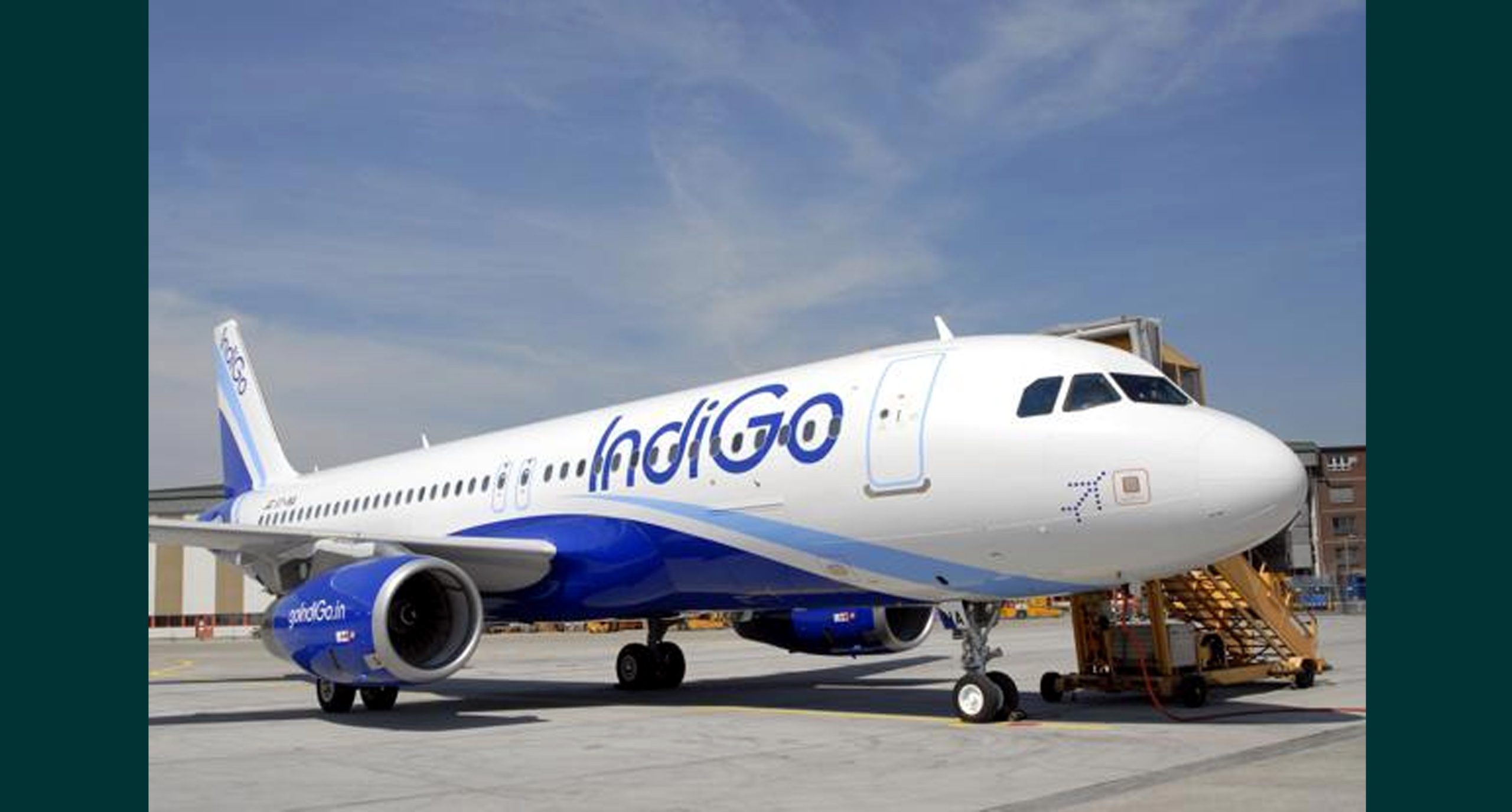
Mumbai: As IndiGo grapples with a crippling technical meltdown that has left passengers in interminable queues and airports in disarray, a stark global comparison emerges: India’s dominant carrier, commanding a whopping 66 per cent of domestic air traffic, ranks a modest eighth worldwide in fleet size, dwarfed by American behemoths boasting over a thousand aircraft each.
United Airlines, the undisputed fleet king from the United States, commands a colossal armada of 1,050 to 1,055 planes – a mix of nimble Boeing 737 MAX narrow-bodies and sleek 787 Dreamliners that criss-cross the globe daily.
Hot on its heels, American Airlines – the world’s busiest by passenger volume and flights – has just breached the 1,000 mark with 1,002 aircraft, a milestone etched since its humble beginnings in 1926.
Delta Air Lines trails closely with 986 vessels, while Southwest Airlines pilots 810 to 820 planes, emphasising low-cost efficiency. Chinese carriers also demonstrate their strength, including China Eastern with 738 aircraft, China Southern with 704, and Air China with 522.
IndiGo’s 417-strong fleet, though impressive for an emerging market, pales in this league, followed by Turkish Airlines (356) and easyJet (337).
The crisis, triggered by systemic glitches in scheduling and operations, has amplified scrutiny on IndiGo’s scalability. Flyers, enduring delays and frayed tempers, question if such bottlenecks signal growing pains for a rapidly expanding airline. Yet, in a hyperconnected world, fleet size isn’t just numbers – it’s the backbone of reliability.
As IndiGo commits to resolving these issues, this global benchmark serves as a crucial reminder. Can India’s leading airline close the gap to the front-runners, or will turbulence clip its wings further?
Comments are closed.