

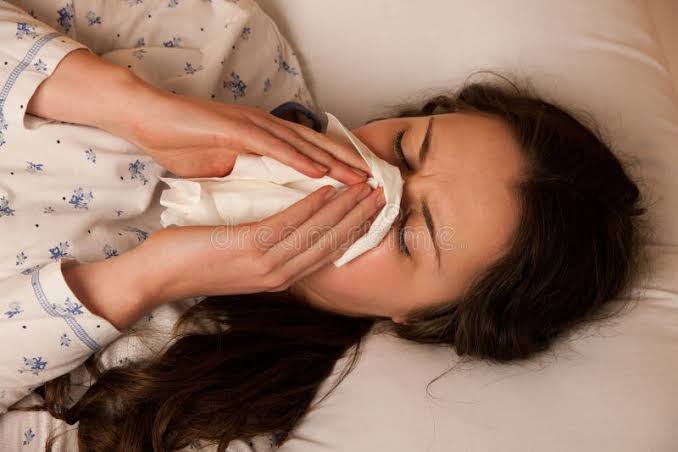
New Delhi: With seasonal influenza cases spreading rapidly across the national capital, the central government has stepped in to evaluate the city’s healthcare infrastructure. Union Health Minister J.P. Nadda convened a high-level meeting on Friday to review Delhi’s preparedness after the city’s H1N1 (swine flu) tally surged to an alarming 1,777 cases this year.

The current figures mark a nearly eight-fold increase compared to the 229 cases reported during the same period last year. According to official data, H1N1 is currently the dominant strain circulating in the region. On August 20 alone, 114 of the 159 new influenza cases reported in Delhi were identified as H1N1.
Recent surveillance data from the Indian Council of Medical Research (ICMR) indicates that H1N1 accounted for approximately 70% of all respiratory infections reported nationwide in the last week.
During the comprehensive review, Nadda assessed the epidemiological situation, trends in influenza-like illness (ILI), and severe acute respiratory infections (SARI). The meeting, which was also attended by Delhi Health Minister Pankaj Kumar Singh, focused on the availability of hospital beds, critical care facilities, testing laboratories, and essential medical supplies.
Nadda emphasized the critical need for continued vigilance and proactive preparedness. “The situation is being closely and continuously monitored,” Nadda said, urging authorities to boost public awareness campaigns focused on respiratory and hand hygiene.
Meanwhile, medical professionals are raising concerns over the severity and changing nature of the symptoms. Dr. Atul Kakkar, Senior Consultant at Sir Ganga Ram Hospital, noted that along with standard flu symptoms like high fever, cough, and body aches, patients are increasingly presenting with atypical signs. “We are seeing patients having diarrhea and myalgias (muscle pain), which are getting very, very frequent,” Dr. Kakkar stated. Experts have also warned that the infection can lead to cardiovascular complications and a sudden drop in oxygen levels in vulnerable individuals.
Delhi Health Minister Pankaj Kumar Singh assured the Centre that the capital’s health infrastructure is fully equipped to handle the seasonal surge. The government has strongly advised residents to wear masks in crowded areas, maintain hand hygiene, and seek immediate medical consultation instead of relying on self-medication if they experience worsening symptoms or breathlessness.
Comments are closed.