

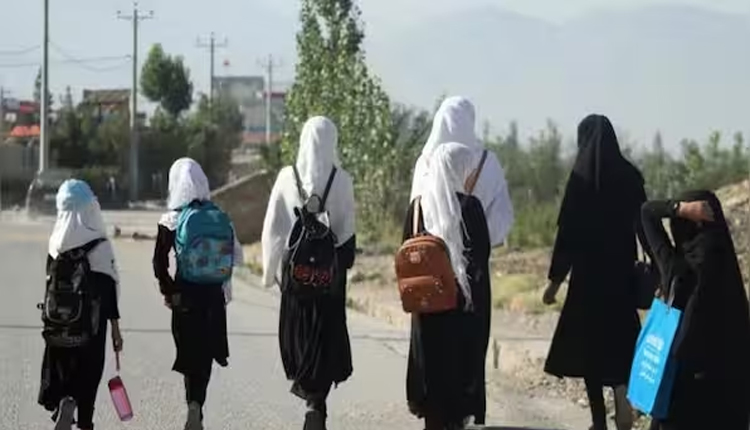
Athens/ New Delhi: A recent report by the Athens-based think tank Directus highlighted Pakistan’s alarmingly low female labour force participation rate (FLFP), placing it among the lowest globally and underscoring deep-rooted barriers to women’s economic empowerment.
The study reveals that only 22.6% of women aged 15-64 participate in the workforce — far below the global average of 52.6% and the South Asian regional average of 25.2%.
In urban hubs like Islamabad, the disparity is even starker, with female participation at just 22.5% compared to 67% for men. Despite women comprising nearly half of the population, entrenched cultural norms, institutional weaknesses, and structural inequalities severely limit their access to jobs. Key factors include restricted mobility, social pressures prioritising domestic roles, wage gaps, lack of family support, limited financial services, and a high prevalence of gender-based violence, harassment, and character attacks — especially for women in politics, media, or leadership positions.
The report warns that without urgent interventions — such as robust enforcement of labour laws, provision of childcare facilities, safe transportation, and digital/financial inclusion — these gaps will perpetuate poverty cycles and hinder national development by sidelining half the population’s economic potential.
This revelation comes amid ongoing global discussions on gender equality and economic inclusion, highlighting the need for systemic reforms to unlock women’s full contribution to Pakistan’s growth.
Comments are closed.