

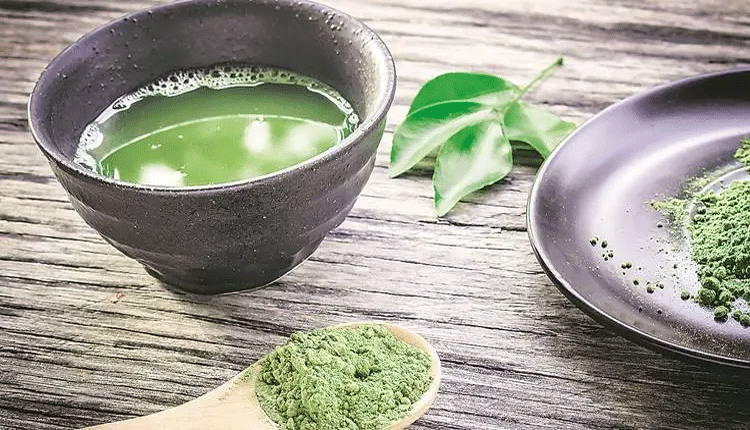
New Delhi: Across cafes in Delhi, Mumbai, Bengaluru, and Pune, a distinct vibrant green brew is steadily carving out space beside traditional ginger chai and filter coffee. Once confined to niche Japanese culinary circles, matcha has rapidly transformed into a mainstream beverage trend among young urban Indians seeking a cleaner energy alternative without the usual caffeine crashes.

Matcha is a finely ground powder made from shade-grown green tea leaves. While its roots trace back to ancient China, it gained cultural prominence in Japan, where Buddhist monks integrated it into the traditional tea ceremony, Cha-no-yu, to sustain calm alertness during prolonged hours of meditation. Unlike regular green tea, where leaves are steeped in hot water and discarded, preparing matcha involves whisking the entire powdered leaf into water or milk, ensuring the complete ingestion of its nutritional compounds. Approximately three to four weeks before harvesting, tea bushes are shielded from direct sunlight, triggering an increase in chlorophyll and amino acids that produce its characteristic emerald hue and umami profile.
Much of matcha’s domestic popularity is fueled by digital wellness culture, Japanese pop trends, and an active search among young professionals and students for jitter-free productivity boosters. Urban cafes have further adapted the earthy beverage for the domestic palate, serving iced vanilla matcha lattes, mango matcha fusions, and coconut water blends.
Nutrition experts point out that the drink’s chemical composition offers distinct physiological advantages over traditional brewed coffee. Explaining the mechanism, dietitian Geetika Chopra noted that while both beverages provide caffeine, their effects on the central nervous system differ substantially. “Coffee contains higher caffeine concentrations that deliver an immediate spike in alertness, which can often cause restlessness or heart palpitations. Matcha combines moderate caffeine with the amino acid L-theanine, a combination that fosters sustained focus and alertness with fewer jitters,” Chopra explained. She added that matcha is exceptionally rich in catechins, particularly epigallocatechin gallate (EGCG), a potent antioxidant that shields cells from oxidative stress.
Health professionals advise consumers to practice moderation, noting that healthy adults should limit daily caffeine intake to 400 milligrams across all dietary sources, while pregnant women should keep consumption below 200 milligrams. Nutritionists recommend starting with a single daily cup and verifying product authenticity, cautioning consumers against pre-sweetened commercial blends that dilute the traditional tea’s health benefits.