

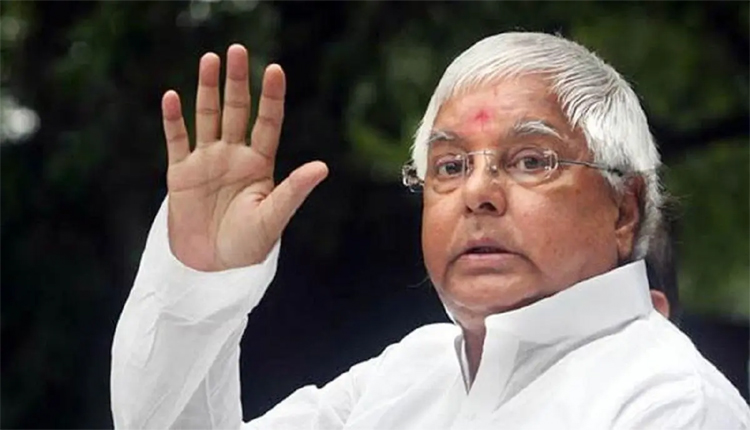
New Delhi The Indian Railways turnaround under former Railway Minister Lalu Prasad Yadav remains one of the most debated chapters in the country’s economic history. It is a transformation so famous that it became a dedicated case study at the prestigious Indian Institute of Management Ahmedabad. Taking charge in 2004, Yadav faced a massive organization on the verge of total bankruptcy, yet he managed to claim an unprecedented financial revival without ever raising passenger ticket prices.

When Yadav assumed office, the official Rakesh Mohan Committee had already sounded the alarm about the imminent collapse of the railways. The financial health of the national transporter was so poor that it was spending 92 paise just to earn a single rupee. However, within a few years, the ministry declared a record breaking annual profit of 25000 crore rupees. This drastic change was driven by three core operational strategies rather than traditional fare hikes.
The first major policy shift involved a simple but effective freight rule. Private companies transporting coal and iron ore were secretly overloading wagons up to 90 tons against the legal limit of 81 tons, often by bribing local staff. Noting that the railway tracks easily handled the extra weight without breaking, Yadav played a strategic move by legally raising the official load limit to 90 tons. Justifying the pragmatic decision, he famously stated, “If you do not milk the cow fully, it will fall sick.” This single change alone brought in massive additional revenue.
Secondly, the ministry focused on drastically reducing the turnaround time for cargo trains. Recognizing that freight trains only make money when they are running, the government imposed heavy late fines on companies that delayed unloading their cargo. As a direct result, the idle time for a train dropped from seven days to just five days, enabling the exact same fleet to complete more commercial trips.
On the passenger front, instead of making tickets more expensive, the railways simply added two to four extra coaches to the most crowded trains. The strategic launch of the low cost Garib Rath Express further increased the passenger volume at highly affordable rates for the common man.
Despite these tangible on ground operational improvements, the legendary financial success story eventually faced intense scrutiny. Years later, the Comptroller and Auditor General of India officially examined the railway account books and exposed a significantly different reality. While Yadav claimed a massive cumulative profit of 89000 crore rupees over his five year tenure, the top audit group revealed that the numbers were highly inflated through a clever accounting trick. The ministry had wrongly counted funds strictly meant for track replacement and safety reserves as pure operational profit. According to the official audit, the actual surplus for those five years stood at 34500 crore rupees, which was less than half of what the railway ministry had initially claimed.
Comments are closed.