

New Delhi: In a firm rebuttal to recent remarks made by a United States lawmaker, the Ministry of External Affairs has categorically dismissed criticism of the proposed Foreign Contribution Regulation Amendment Bill, terming it strictly an internal matter of India.

The diplomatic exchange follows comments by US Congressman Riley Moore, a Republican representing West Virginia. Earlier this week, Moore publicly criticized the proposed amendments to the foreign funding laws of India. Taking to the social media platform X, the US representative alleged that the legislative changes would permit the government to take control of churches and religious charities. He further claimed the move was a clear attack against Christians and cautioned that proceeding with the bill could strain bilateral relations between Washington and New Delhi.
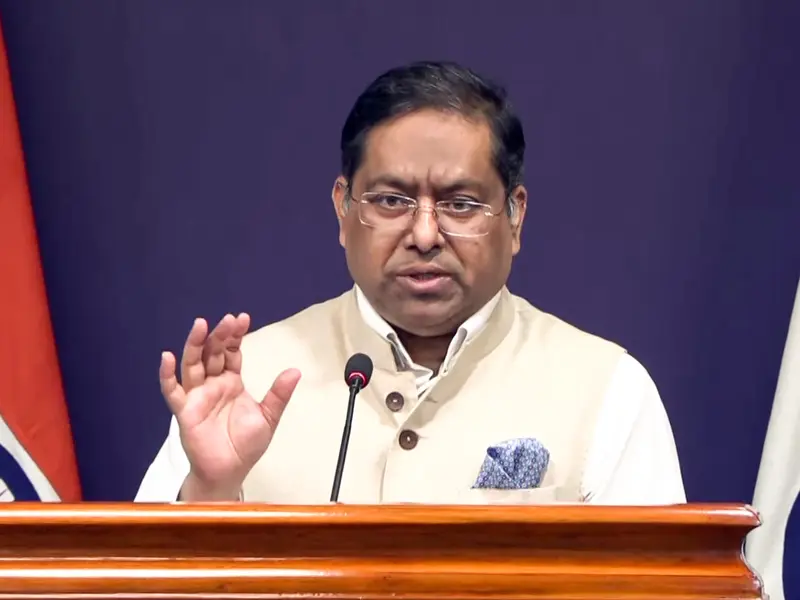
Addressing a media briefing, MEA spokesperson Randhir Jaiswal delivered a sharp response, emphasizing the sovereign right of India to draft its domestic laws. Jaiswal stated that the ministry had seen the comments on FCRA and clarified that legislative matters concerning India are internal affairs on which decisions are taken exclusively by the Parliament of the country. He also highlighted the universality of such financial oversight, pointing out that several nations around the world, including the United States, enforce strict legal frameworks to regulate the flow of foreign funds.
The proposed Foreign Contribution Regulation Amendment Bill 2026 aims to overhaul the existing regulations governing how non governmental organizations and associations receive and utilize overseas money. A key provision of the draft empowers the central government to appoint a designated authority to manage or dispose of assets created using foreign funds if the FCRA registration of an entity is cancelled, surrendered, or suspended. In cases involving religious institutions, the bill specifies that the designated authority must preserve the religious character of the assets while managing them.
The government maintains that the legislative overhaul is necessary to ensure greater transparency, accountability, and national security in the administration of foreign funded organizations.
By pushing back against external commentary, New Delhi has once again underscored its stance that decisions regarding domestic policy and constitutional frameworks fall entirely within the jurisdiction of the Indian Parliament, free from international interference.
Comments are closed.