

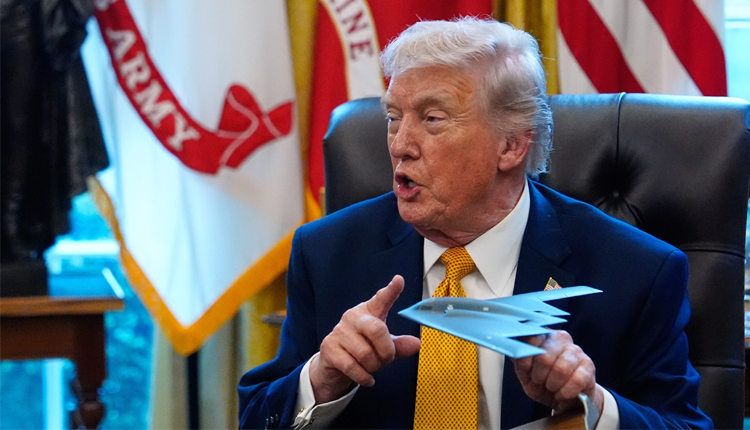
New Delhi: United States President Donald Trump has reversed his recent decision to impose a twenty percent toll on commercial vessels passing through the Strait of Hormuz. The announcement came during a joint press briefing with the Iraqi Prime Minister at the White House. Trump clarified that no country or authority should collect fees for maritime transit through the critical Middle East waterway.

The strategic shift comes just a day after the President proposed the heavy tariff. On Monday, July 13, Trump had declared that the United States would begin levying a twenty percent charge on all cargo ships navigating the Strait of Hormuz. This initial plan aimed to secure compensation for American military efforts in protecting international shipping lanes. The region has seen an intense military presence due to ongoing conflicts and security threats to merchant vessels.
Addressing the sudden policy change, Trump revealed that leaders from several Gulf nations had reached out to his administration with an alternative proposal. According to the President, these regional allies expressed their reluctance to pay the transit tax and instead offered massive economic investments in America. Trump quoted the Gulf leaders stating that they would prefer to handle the situation differently and invest billions of dollars directly into the United States economy.
Elaborating on the diplomatic exchange, Trump noted that the massive investment pledges made the maritime tariff completely unnecessary. He told reporters at the White House that he did not like the idea of charging a fee anymore, especially given the new financial commitments from Middle Eastern partners. This strategic economic agreement avoids potential disruptions in global oil supply chains. The Strait of Hormuz remains one of the most vital maritime routes for energy trade globally, with millions of barrels of oil passing through it daily.
The rapid reversal of the toll plan eases immediate concerns among global shipping companies and international oil markets. A twenty percent tax on cargo would have significantly increased transit costs, potentially driving up global energy prices. By choosing domestic American investments over international transit taxes, the administration aims to strengthen economic ties with Gulf nations while ensuring the free flow of commerce through international waters remains uninterrupted.
Comments are closed.