

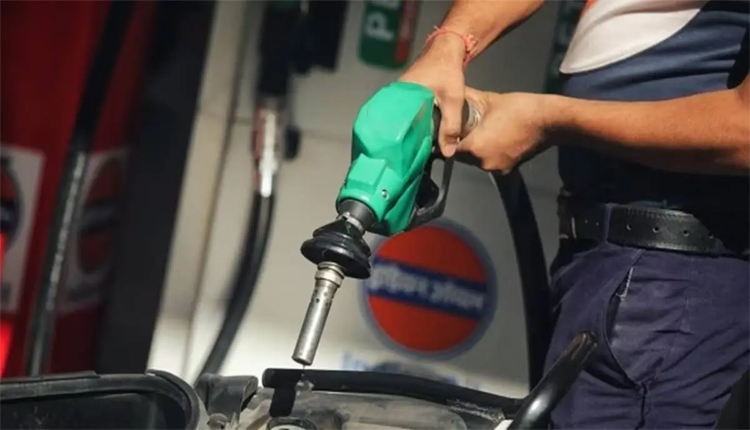
New Delhi: A sharp difference between petrol prices in India and Nepal has triggered fresh concerns over cross border fuel smuggling, prompting authorities to tighten surveillance along sensitive border areas. According to reports, petrol in Nepal is nearly ₹60 costlier per litre than in India, creating a strong incentive for illegal transportation of fuel from Indian border districts into Nepal.

The price gap has widened at a time when global crude oil markets remain volatile due to geopolitical tensions and supply concerns. India has taken several steps to shield consumers from the full impact of international price fluctuations, including tax adjustments and controlled retail pricing. As a result, petrol and diesel prices in India have remained comparatively lower than in Nepal, where fuel prices are more directly affected by import costs.
Nepal depends heavily on fuel imports, including supplies sourced through Indian Oil Corporation. A recent Reuters report noted that Nepal had sharply increased aviation fuel prices and had also raised petrol and diesel prices earlier this year due to pressure from the Middle East conflict and payment obligations linked to fuel imports. Nepal is fully dependent on imported fuel supplies, making it more vulnerable to global price shocks.
In India, the government had earlier reduced excise duties on petrol and diesel to protect consumers from the impact of surging global oil prices. Reuters reported that the move helped limit the burden on households, although it also created financial pressure on government revenues and oil marketing companies.
Officials believe the wide price difference has encouraged smugglers to purchase fuel from petrol pumps in Indian border areas and transport it illegally into Nepal for higher profits. Such activity not only causes revenue loss but also creates pressure on local fuel supply in border districts.
Authorities have now stepped up monitoring at fuel stations located near the India Nepal border. Surveillance has also been increased on routes commonly used for cross border movement. Police, local administration and enforcement agencies are expected to coordinate closely to prevent bulk illegal movement of petrol and diesel.
Fuel dealers in border areas have reportedly been asked to remain alert and report suspicious purchases. Officials may also monitor unusually high fuel sales, especially where repeated bulk transactions raise doubts about commercial misuse.
The issue reflects how international fuel price volatility can create unexpected local challenges. While lower domestic prices benefit Indian consumers, a major price gap with neighbouring countries can encourage illegal trade if enforcement remains weak.
For now, the government’s focus is on ensuring that subsidised or comparatively cheaper fuel meant for Indian consumers is not diverted through illegal channels. The situation along the border will remain under close watch as long as the price gap between India and Nepal continues.
Comments are closed.