

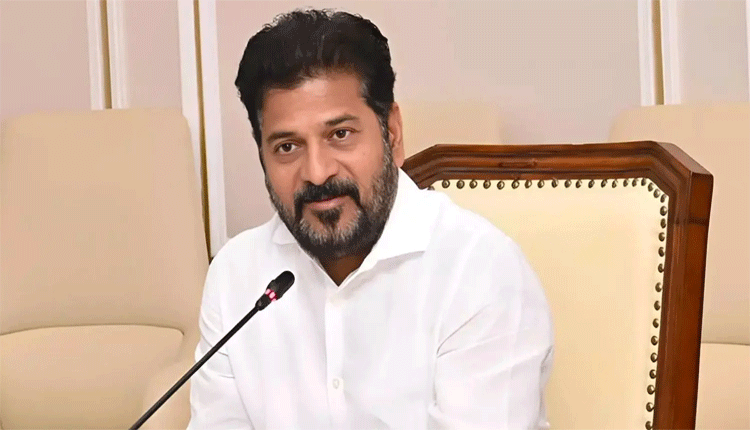
New Delhi: In a significant push to empower the younger demographic in Indian politics, Telangana Chief Minister A Revanth Reddy and Union Minister Jayant Chaudhary have raised a strong demand to lower the minimum age for contesting elections to 21 years. The prominent leaders have thrown their weight behind Generation Z, arguing that the youth must have a direct and active role in shaping the future of the country through legislative bodies.

Currently, a citizen must be at least 25 years old to contest Lok Sabha and State Assembly elections in India. The legal voting age was famously reduced from 21 to 18 years decades ago. Both political figures have pointed out this glaring gap. They assert that if young citizens possess the maturity to elect their government at 18, they are certainly capable of running for public office and taking up leadership roles by the time they reach 21.
Championing the cause of the youth, Revanth Reddy stressed that modern legislative institutions desperately need fresh perspectives. He noted that the current generation is highly educated, technologically advanced and deeply aware of complex global challenges. Bringing young minds directly into state assemblies and the Parliament would ensure dynamic policy making and faster development across the nation.
Echoing similar sentiments, Rashtriya Lok Dal chief Jayant Chaudhary highlighted that keeping the entry barrier at 25 years restricts vibrant youth leadership. He mentioned that Gen Z forms a massive chunk of the Indian population and their unique aspirations cannot be fully addressed unless they sit at the decision making table.
This sudden political demand has generated immense enthusiasm among student organisations, youth wings and young voters across the country. Social media platforms are already buzzing with support from first time voters who often feel disconnected from older politicians. Political analysts suggest that lowering the contesting age could fundamentally alter the traditional political landscape of India. It would compel mainstream political parties to allocate tickets to younger candidates, thereby drastically reducing the average age of Indian lawmakers.
Comments are closed.