

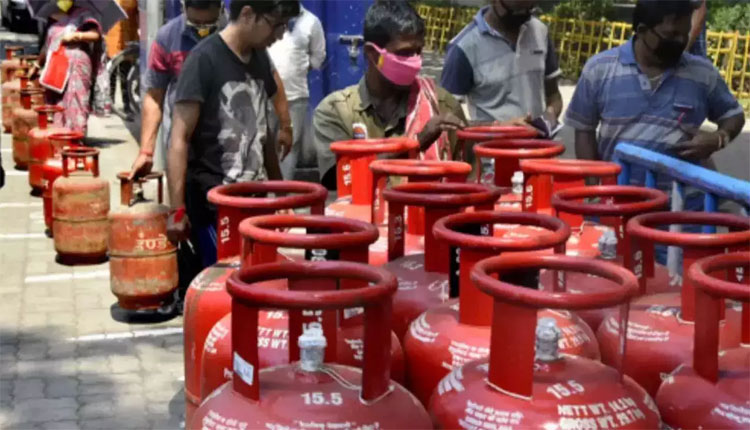
New Delhi: Hours after announcing a fresh increase in domestic LPG prices, the Central Government defended the revision, asserting that Indian households continue to enjoy some of the lowest cooking gas prices in the world despite rising international energy costs and supply disruptions. The Ministry of Petroleum and Natural Gas said the government has absorbed a substantial portion of the global price increase to shield consumers from a sharper burden.

The clarification came after the price of a 14.2 kg domestic LPG cylinder was increased by ₹29 across the country. Following the revision, the cost of a standard domestic cylinder in Delhi rose from ₹913 to ₹942, marking the second increase in the last three months.
In a statement, the Petroleum Ministry said India remains among the cheapest countries globally in terms of household cooking gas prices. The government argued that despite a sharp rise in international LPG costs, domestic consumers have been protected through subsidies and controlled pricing mechanisms. According to the ministry, beneficiaries of the Pradhan Mantri Ujjwala Yojana (PMUY) continue to receive significant support, helping keep effective cylinder prices much lower than prevailing market rates.
Officials attributed the latest price hike to developments in the global energy market. The ministry noted that international LPG benchmark prices have risen substantially in recent months amid geopolitical tensions and supply concerns, particularly in the Gulf region. Rising costs of imports have increased the financial burden on oil marketing companies, prompting the latest revision.
The government further stated that the actual cost of supplying a domestic LPG cylinder has climbed well above the retail price being charged to consumers. It argued that public sector oil companies have been absorbing a significant portion of these costs, resulting in what the ministry described as “under recoveries” on domestic LPG sales.
The price increase, however, has triggered criticism from opposition parties, which accused the Centre of adding to the financial burden of households already facing inflationary pressures. Opposition leaders questioned the timing of the hike and argued that rising cooking fuel costs would directly affect middle class and lower income families.
The LPG pricing issue has gained particular importance this year due to volatility in global energy markets and concerns over supply chains. India remains one of the world’s largest consumers and importers of LPG, making domestic prices sensitive to international developments.
While the government maintains that Indian consumers continue to benefit from comparatively low cooking gas prices, the latest increase is expected to have a direct impact on household budgets across the country. The debate over balancing consumer relief with rising global energy costs is likely to remain a key policy issue in the coming months.
Comments are closed.