

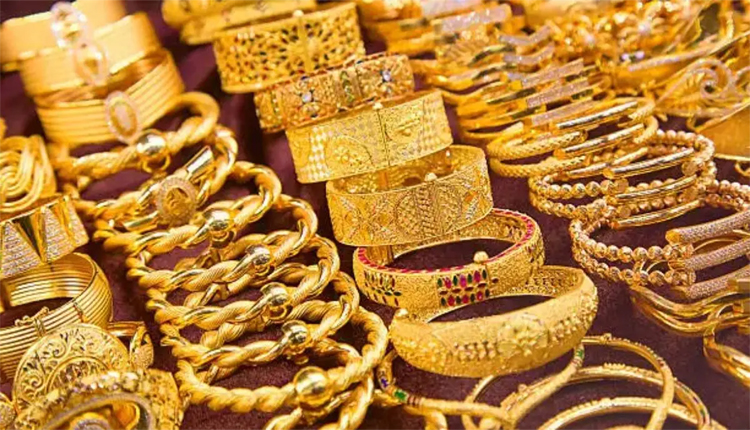
New Delhi: Prime Minister Narendra Modi’s appeal to Indians to avoid buying gold for the next one year has triggered a nationwide discussion — and government data now reveals why the issue has become a major economic concern.

Speaking amid rising tensions in West Asia and growing pressure on global energy markets, Modi recently urged citizens to reduce “non-essential” spending that puts stress on India’s foreign exchange reserves. Gold purchases were among the biggest concerns highlighted by the Prime Minister.
The numbers explain the worry. Despite being one of the world’s largest consumers and importers of gold, India’s domestic production remains extremely low. According to official figures cited in a recent government response, India produced only 1,627 kilograms of gold in 2024-25. In comparison, the country imported massive quantities of the precious metal by spending billions of dollars in foreign exchange.
Modi also described copper as the “gold of the future”, pointing to its growing importance in electric vehicles, solar panels and the digital economy. Government figures show India produced around 1.05 lakh tonnes of copper in 2024-25, though production has fluctuated in recent years.
The Centre has already auctioned 28 gold blocks and 11 copper blocks since 2015 to boost domestic mining and reduce import dependence. Officials believe expanding local production could help India save precious foreign exchange during periods of global instability.
Meanwhile, the Opposition has attacked the Prime Minister’s appeal, with Congress leader Rahul Gandhi calling it a sign of economic stress and policy failure.
What has made the debate especially striking is the emotional connection Indians share with gold. In a country where gold is tied to weddings, festivals and family security, asking people to delay purchases is not merely an economic suggestion — it is a cultural shift.
Comments are closed.