

New Delhi: History has repeatedly shown that military victories may create powerful leaders — but they do not always create lasting political winners. From Britain’s wartime icon Winston Churchill to former US President George Bush and even India’s Indira Gandhi, several leaders who gained massive popularity during conflicts eventually faced political setbacks once public emotions settled down.

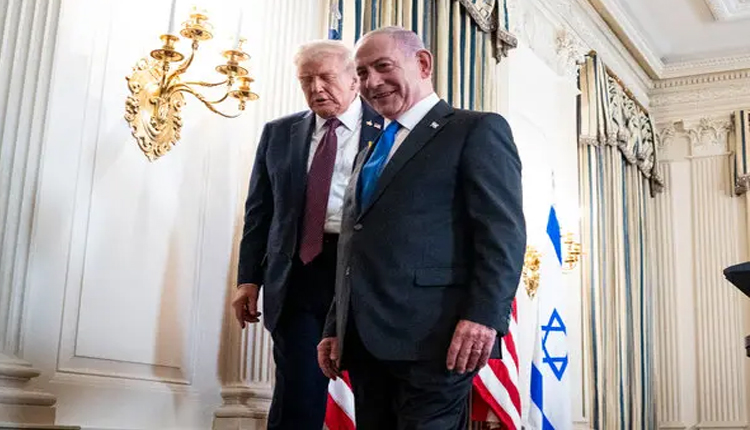
The debate has resurfaced globally amid growing speculation over whether ongoing geopolitical tensions could politically benefit leaders like Donald Trump and Benjamin Netanyahu.
Perhaps the most famous example remains Winston Churchill. Despite leading Britain to victory in World War II, Churchill suffered a shocking electoral defeat in 1945 as voters shifted focus from war leadership to jobs, welfare and economic recovery.
A similar pattern emerged in the United States years later. Former President George W. Bush initially saw soaring popularity after the Iraq war and the 9/11 attacks. But prolonged conflict, rising casualties and economic concerns gradually weakened public support for his administration.
India too witnessed such political reversals. Former Prime Minister Indira Gandhi emerged as a towering figure after India’s victory in the 1971 Bangladesh Liberation War. Yet, only a few years later, public anger over the Emergency led to one of the biggest electoral defeats in Indian political history.
Political analysts say wars often unite citizens temporarily, but elections are eventually decided by everyday issues — inflation, employment, public services and economic stability. National security may dominate headlines during conflict, but voters later return to questions that directly affect their lives.
That is why the bigger political battle for leaders often begins not during war, but after the celebrations end.
Comments are closed.