

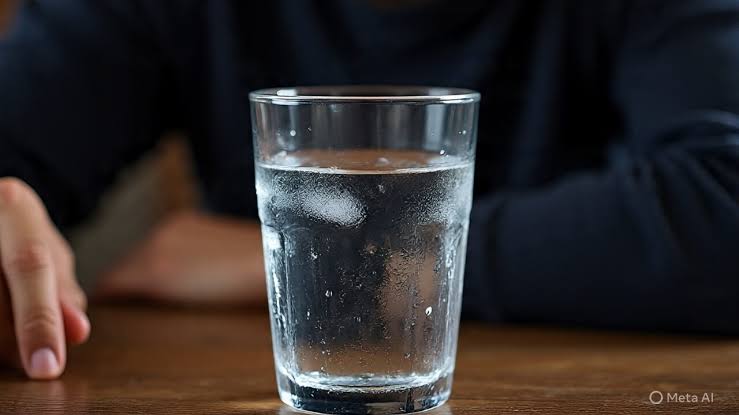
New Delhi: Experiencing thirst after spending time in the heat or completing a rigorous workout is a common physiological response. However, if you find your throat parched and constantly crave water even after drinking adequately, it might not just be the heat. Our bodies often send persistent thirst signals due to an underlying imbalance of water and essential minerals, rather than simple dehydration.

According to an ABP Live health report, feeling chronically thirsty after drinking water can stem from several surprising factors, including drinking too much water or suffering from electrolyte imbalances.
The Role of Electrolytes and Overhydration
The human body requires more than just water to stay hydrated. Electrolytes such as sodium, potassium, and chloride play a crucial role in regulating water levels in the body. When a person consumes an excessive amount of water in a short period, it can dilute these essential electrolytes, particularly sodium.
This disruption forces the body’s internal fluid balance out of sync. Paradoxically, the body may respond to this imbalance by triggering thirst signals in an attempt to restore normalcy. Therefore, repeatedly chugging large volumes of water is not always the correct way to quench your thirst.
In rare and extreme cases, excessive water consumption can lead to a condition known as hyponatremia or water intoxication. This occurs when sodium levels in the blood drop dangerously low, potentially causing cellular swelling and severely disrupting the body’s fluid balance. While occasional post-hydration thirst is not a sign of water intoxication, persistent abnormal thirst combined with a habit of overdrinking should not be ignored.
Other Factors: Sweat, Minerals, and Medication
The mineral content of your drinking water also matters. Water naturally fortified with calcium, magnesium, and other minerals aids in maintaining the electrolyte balance, whereas demineralized water might not hydrate as efficiently.
Additionally, intense physical exertion or prolonged exposure to heat leads to sweating, which depletes both water and electrolytes. In such scenarios, drinking plain water might not immediately curb the sensation of thirst until the lost electrolytes are also replenished.
Furthermore, certain medications, particularly diuretics that flush fluids from the body, can alter fluid balance and cause persistent thirst. Experts advise consulting a physician if unexplained thirst begins after starting a new medication.
While temporary thirst is normal, persistent, unquenchable thirst without a clear cause warrants medical attention, as it could be a warning sign of underlying health issues.
Comments are closed.