

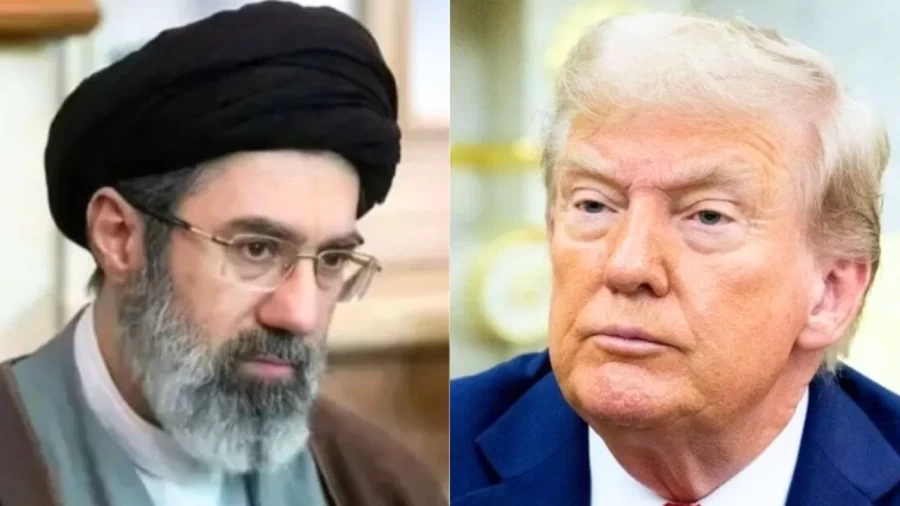
Washington/Tehran: Tensions between Washington and Tehran have reached a fever pitch, with the threat of a full-scale conflict looming larger than ever.

Despite US President Donald Trump’s recent efforts to secure a “dream deal,” the Islamic Revolutionary Guard Corps (IRGC) remains defiant, rejecting American terms and mocking the President’s diplomatic “desperation.”
In a surprising U-turn, President Trump — previously known for his fiery rhetoric and threats of bombardment — has unilaterally extended the ceasefire by five days.
This move comes after Iran communicated via Pakistan its refusal to join the negotiating table. Experts suggest this tactical shift stems from a failing war policy; despite 40 days of sustained bombing and a crippling naval blockade, the US has failed to achieve its strategic objectives.
The IRGC, now the dominant power centre in Tehran following the passing of Ayatollah Khamenei, has issued a stern warning. “We will teach America a lesson they will never forget,” a spokesperson for the IRGC stated, emphasising that no talks will occur until the US blockade is lifted. Furthermore, Iran has demanded the return of its seized vessels and recognition of its control over the Strait of Hormuz.
The psychological warfare has also moved to the digital front. Iranian state media recently released a 44-second AI-generated video mocking Trump, depicting him as an anxious leader waiting in a mediation room for Iranian representatives who never show up.
Meanwhile, regional allies are on high alert. Israel has reportedly activated its “Round 2” war plan, awaiting a green signal from Washington to target Iran’s underground missile silos and nuclear facilities. Iran, in response, has warned Gulf nations to stop assisting the US or face devastating strikes on their oil facilities.
As the five-day window shrinks, the world watches with bated breath to see if diplomacy can survive the drumbeats of war.
Comments are closed.