

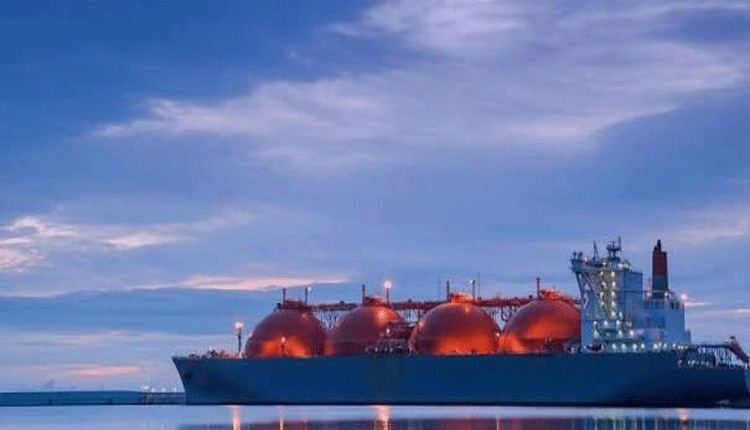
New Delhi: In a strategic move to diversify its energy basket and bolster national energy security, the Government of India has decided to significantly scale up its imports of Liquefied Natural Gas (LNG) from the United States. This decision comes as India seeks to reduce its heavy reliance on traditional Middle Eastern suppliers and take advantage of the competitive pricing and stable supply chains offered by the American energy market.

The move is part of a broader vision to transition India toward a gas-based economy, aiming to increase the share of natural gas in the primary energy mix from the current 6 percent to 15 percent by 2030. By securing long-term contracts with U.S.-based energy firms, India hopes to insulate itself from the price volatility often seen in the global spot markets, especially during periods of geopolitical instability.
The decision follows high-level discussions between the Ministry of Petroleum and Natural Gas and U.S. energy representatives. India’s leading gas utility, GAIL, along with other public sector undertakings, is expected to lead the procurement process. These imports are not just about meeting current demand but are also linked to the massive expansion of the city gas distribution (CGD) network and the growing requirements of the fertilizer and power sectors.
Currently, the U.S. is one of the world’s largest exporters of LNG, and its flexibility in contract terms—specifically the absence of restrictive “destination clauses”—makes it an attractive partner for India. This flexibility allows Indian companies to resell or swap cargoes if domestic demand fluctuates, providing a crucial layer of commercial security.
From an economic perspective, the shift is expected to provide a more predictable pricing structure for Indian industries. Natural gas is considered a cleaner alternative to coal and oil, and its increased use aligns with India’s international commitments to reduce carbon emissions. The government’s push for “Blue Hydrogen” and other green energy initiatives also relies heavily on a steady and affordable supply of natural gas as a bridge fuel.
However, the logistics of transporting LNG over vast distances from the U.S. Gulf Coast to Indian ports remain a challenge. To address this, the government is fast-tracking the development of LNG terminal capacities on both the eastern and western coasts of India, ensuring that the infrastructure is ready to handle the increased volumes.
While the focus on U.S. imports is growing, India continues to maintain a balanced approach by engaging with other major suppliers like Qatar, Australia, and Russia. The ultimate goal is to create a multi-source supply chain that can withstand regional shocks while providing the affordable energy necessary to power India’s rapid industrial growth and urbanization.
Comments are closed.