

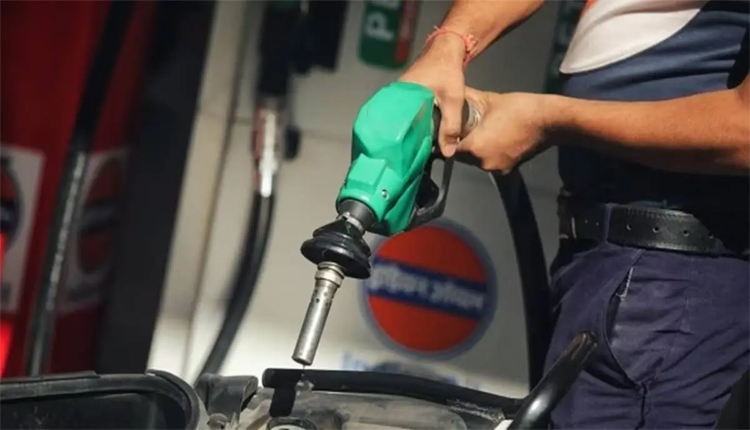
New Delhi: Petrol and diesel prices have once again become a concern for consumers, with fuel rates rising for the fourth time in the last 10 days, according to a News24 report. The latest increase of more than Rs 2 per litre has pushed prices past the Rs 100 mark in several parts of the country, adding fresh pressure on household budgets and daily transport costs.

The report highlights a sharp difference in fuel prices across states and Union Territories. Andhra Pradesh currently has the highest petrol and diesel prices in the country. Petrol in the state is being sold at Rs 117.88 per litre, while diesel is priced at Rs 104.11 per litre.
At the other end of the list is the Andaman and Nicobar Islands, where fuel remains the cheapest despite recent price increases. As per the latest figures cited in the report, petrol is available there at Rs 88.66 per litre, while diesel is being sold at Rs 84.56 per litre. The report points out that the big gap in prices is mainly due to differences in taxes imposed on fuel.
Arunachal Pradesh is also among the states where petrol is comparatively cheaper. The report says petrol in the state is priced at Rs 97.70 per litre, while diesel rates are also lower than the average seen in many other states.
Uttarakhand has been listed as the third cheapest state for fuel. Petrol there is priced at Rs 100.54 per litre, while diesel continues to remain below the Rs 100 mark. However, the report notes that if prices rise further in the coming days, diesel in Uttarakhand may also cross Rs 100 per litre.
The latest fuel price variation shows how consumers in different parts of India pay very different rates for the same essential commodity. While global crude prices and central duties influence the overall cost of fuel, state level taxes create major differences in the final retail price.
For ordinary citizens, the impact is direct. Higher fuel prices increase commuting expenses and can also raise the cost of goods transportation. This means the burden is not limited to vehicle owners alone. It can gradually affect market prices and monthly household spending.
Comments are closed.