

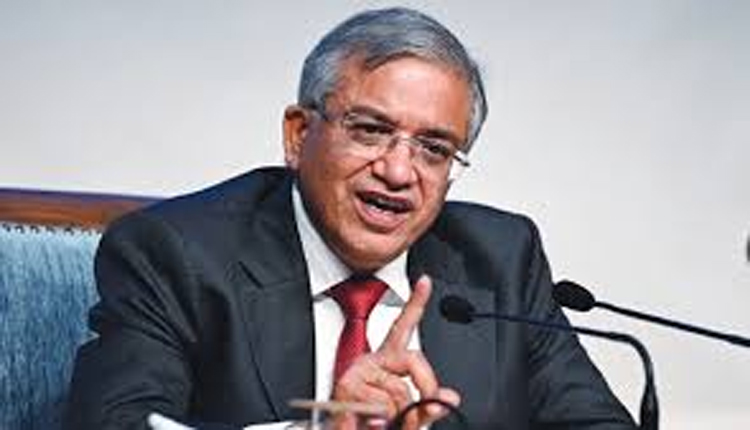
Thiruvananthapuram: In a major political development, the Kerala Legislative Assembly has passed a resolution demanding the removal of Chief Election Commissioner (CEC) Gyanesh Kumar. The move comes amid escalating nationwide debates over alleged irregularities in the Special Intensive Revision (SIR) of electoral rolls. However, constitutional experts have clarified that the state assembly holds no legal authority to enforce the CEC’s dismissal.

The resolution, moved by Chief Minister V.D. Satheesan, received backing from the Left Democratic Front (LDF) legislators, while the Bharatiya Janata Party (BJP) members strongly opposed it. Satheesan described the moment as historic, stating, “The right to vote is the foundation of our democracy. No institution can be allowed to undermine the constitutional rights of our citizens.”
Through the resolution, the Kerala Assembly outlined three key demands. First, it called for the immediate rectification of alleged anomalies in the SIR process and the restoration of voting rights for eligible citizens who were purportedly removed from the voter lists. Second, it demanded the removal of CEC Gyanesh Kumar, citing opposition concerns regarding the impartiality of the electoral process. Finally, the assembly requested a restructuring of the Election Commission’s selection panel to reinstate the Chief Justice of India (CJI) alongside the Prime Minister and the Leader of the Opposition.
Despite the firm political messaging, the resolution lacks legal enforceability. According to constitutional experts, a state legislative assembly has no jurisdictional role in the removal of the Chief Election Commissioner. As per Article 324(5) of the Indian Constitution, a CEC can only be removed from office in the same manner and on the same grounds as a judge of the Supreme Court, which necessitates an impeachment process with a special majority in both houses of Parliament. This stringent procedure is also echoed in Section 11 of the newly enacted Chief Election Commissioner and Other Election Commissioners Act, 2023.
Legal analysts note that such assembly resolutions serve primarily as tools of political and democratic expression. While they cannot legally unseat a constitutional authority, they are often utilised by state governments to draw the attention of Parliament and the public to specific grievances. Consequently, the Kerala resolution remains non-binding, meaning it will have no immediate legal impact on the tenure of the Chief Election Commissioner.