

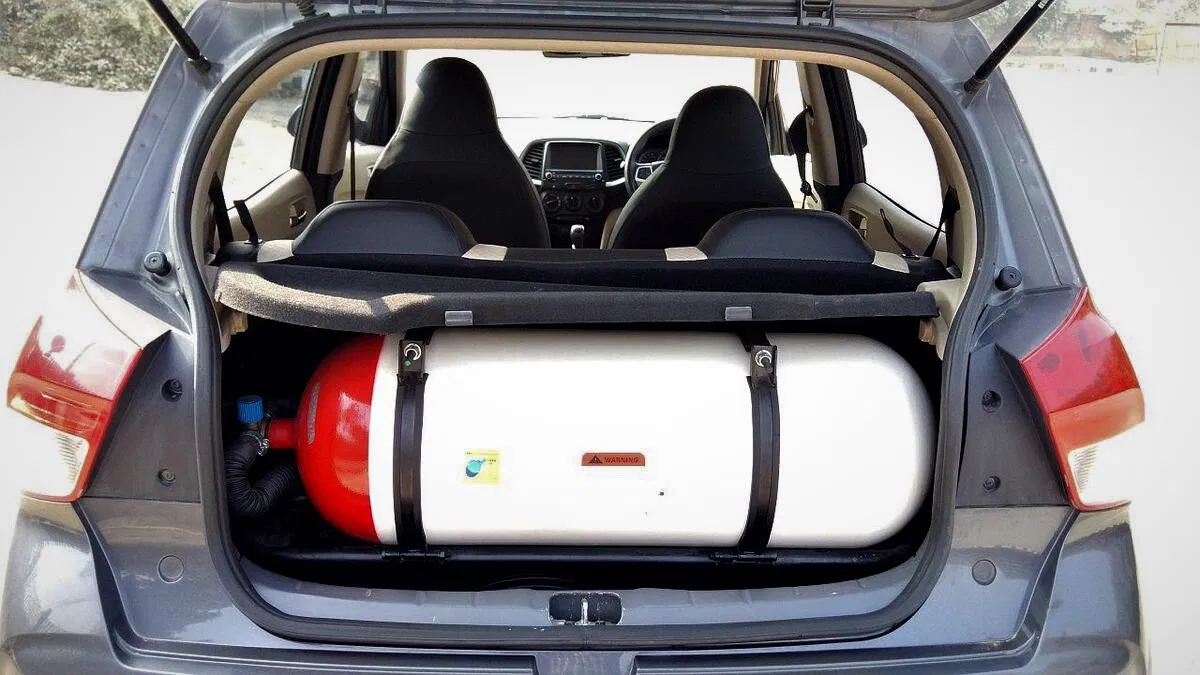
New Delhi: Amid soaring petrol and diesel prices, many vehicle owners are turning to aftermarket CNG kits as a cost-effective way to cut down daily fuel expenses, especially for older or pre-owned cars that lack factory-fitted options. However, before retrofitting a CNG system, car owners must understand the significant legal, warranty, and insurance implications that come with such vehicle modifications.

Impact On Manufacturer Warranty The most immediate consequence of installing an aftermarket CNG kit involves the vehicle’s warranty. Even if the kit is government-approved and fitted by an authorised workshop, retrofitting an external CNG system typically voids the manufacturer’s powertrain and engine warranty. While some automakers may maintain coverage on non-engine components, it entirely depends on individual corporate policies. Some third-party installers offer external warranties for the kit itself, usually lasting one to two years, but this often comes at an additional cost.
Consequences For Car Insurance Failing to notify your insurance provider about an aftermarket CNG installation can lead to serious financial complications. Insurance policies are legal contracts based on accurate disclosures, and adding a CNG kit constitutes a material change in risk, primarily due to the presence of a pressurized gas cylinder and increased valuation.
Car owners are legally required to get the fuel type updated on their Registration Certificate (RC) at the Regional Transport Office (RTO) and subsequently inform their insurance company. The cost of the kit is added to the vehicle’s Insured Declared Value (IDV), resulting in a marginal increase in the comprehensive insurance premium.
Experts warn that driving with an undeclared CNG kit can result in claims being outright rejected during accidents or fire-related mishaps. Ensuring proper RTO endorsement and policy updates is crucial to keeping both third-party and own-damage coverage legally valid.
Comments are closed.