

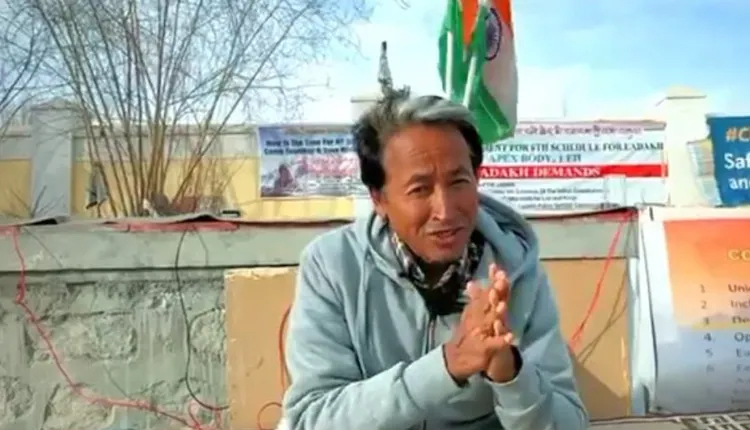
New Delhi: Environmental activist and education reformer Sonam Wangchuk remains squarely in the national spotlight following his recent prolonged hunger strike and subsequent hospitalisation in the national capital. Amid massive public support and growing discussions about his relentless activism, significant curiosity has emerged among citizens regarding his personal life, particularly his financial sustenance, varied income sources, and taxation status.

While Wangchuk is globally celebrated for his grassroots initiatives and sustainable innovations, his strong digital presence serves as a primary source of his financial independence. According to recent financial reports, the prominent activist runs a highly popular digital platform named Wangchuk World on YouTube, which boasts a massive subscriber base of hundreds of thousands of followers. Media estimates suggest that this dedicated channel alone generates a stable monthly revenue ranging between three lakh rupees to seven lakh rupees.
Beyond digital content creation, the celebrated educationist maintains highly diversified income streams. A significant portion of his monetary earnings comes from delivering extensive lectures, participating in high profile global conferences, and engaging in motivational speaking assignments across both national and international forums. Based on various financial estimates circulated in the public domain, his total net worth currently stands at approximately seventy five lakh rupees.
These significant digital earnings have naturally sparked questions among followers regarding his tax liabilities and compliance. Under current Indian regulations, revenues generated through digital platforms, digital advertisements, brand sponsorships, and affiliate marketing are fully taxable. Such earnings fall under the category of business and digital platform income, where taxes are levied on the net profit after deducting applicable professional expenses. Additionally, strict Goods and Services Tax regulations apply once the earnings cross a specific financial threshold.
While residents belonging to specific remote regions of Ladakh are legally eligible for special income tax exemptions under government rules, Wangchuk has taken a remarkably principled stance on the matter. Addressing public queries during various open forums, Wangchuk has repeatedly clarified that he diligently pays his income tax on a regular basis. The activist considers contributing to the national exchequer his fundamental moral obligation, choosing to voluntarily pay his complete tax dues despite the regional financial exemptions legally available to him.
His completely transparent approach to personal finances and taxation has further solidified his credible public image. As his ongoing activism continues to draw nationwide attention toward the ecological and developmental needs of the Himalayan region, his ethical financial practices deeply reflect the very same principles of accountability and honesty that he fiercely demands from the government administration.
Comments are closed.